
Add Row
Add Element
lmr logo
update

 LMR 
Local Online Marketing
For Small Business

update
Add Element
  • Blog Categories
    • Custom Mobile App
    • online marketing
    • Create A 5 Star Reputation
    • Local Digital Marketing
    • search engine marketing
    • social media marketing
    • Web Design
    • Content Marketing
    • Video Marketing
    • Email Marketing
  • Home
June 16.2025
1 Minute Read

Struggling with pay-per-click advertising? Cut Costs Today

Are you aware that for every dollar spent on pay-per-click advertising , businesses earn an average of $2 in revenue? Many small businesses waste thousands on pay per click advertising without seeing results. Yet when done right, every dollar spent can return double or more. If your campaigns feel like a money drain, this guide will show you how to fix that starting now. Learn how to lower cost per click , improve ad relevance, and target the right search intent to boost your return. Inside you will find clear tactics, expert tips, and practical steps to cut costs and get real results from your online ads.T

Professional digital marketing team analyzing PPC ad campaign performance for pay-per-click advertising, glass office, computers, charts visible, bright lighting, photorealistic

Why Pay-Per-Click Advertising Matters: Surprising Numbers and Real Benefits

  • Did you know that businesses make an average revenue of $2 for every $1 spent on pay-per-click advertising? Discover how these results can transform your digital marketing strategy.

Pay-per-click advertising is not just another buzzword—it's a game-changer for businesses seeking measurable growth online. Unlike traditional forms of advertising, PPC ads offer unparalleled control over budget, audience targeting, and campaign results. Recent data reveals that for every dollar spent, businesses often generate double the revenue, making PPC a cornerstone of modern digital marketing efforts. Success, however, hinges on strategy. The difference between a profitable PPC campaign and one that hemorrhages budget comes down to understanding the data and focusing on efficient cost per click management.

By leveraging google ads , managing your ad groups, and targeting high-intent keywords, you position your business atop engine results pages, ahead of organic competitors. The key benefit? You only pay when users interact—no wasted impressions, just qualified leads. As search engines and social media continue to dominate online behavior, an optimized PPC ad strategy enables you to reach customers right when they're ready to act. In a digital world filled with noise, PPC advertising empowers your brand to cut through—capturing attention, conversions, and consistent returns.

Mastering Pay-Per-Click Advertising: Key Terms and Concepts You Must Know

  • Defining PPC ad and pay-per-click advertising

  • Understanding ppc advertising vs. click advertising

  • How cost per click influences digital marketing budgets

  • The relationship between google ad, google ads, and paid search

PPC advertising refers to the advertising model where advertisers pay each time a user clicks their ad. This guarantees that every dollar of ad spend is tied directly to user action, making it a highly accountable and data-driven model. Click advertising is a broader term encompassing various forms of paid promotion, while pay-per-click advertising usually references campaigns that show ads on search engines like Google or Bing. Paid search specifically refers to ads that appear in response to search engine queries, unlike display ads , which are shown on partner sites or on social media platforms as part of a broader digital marketing strategy.

Your cost per click is determined by factors such as your maximum bid, ad quality, and the relevance of your ad group structure. Understanding how google ad auctions work, how ad placement is decided, and how to differentiate between search ads , social media ads, and display campaigns is foundational for maximizing your return. By mastering these terms and principles, you'll make more informed decisions—setting competitive bids, structuring ad groups for success, and using analytics to lower costs while boosting conversions.

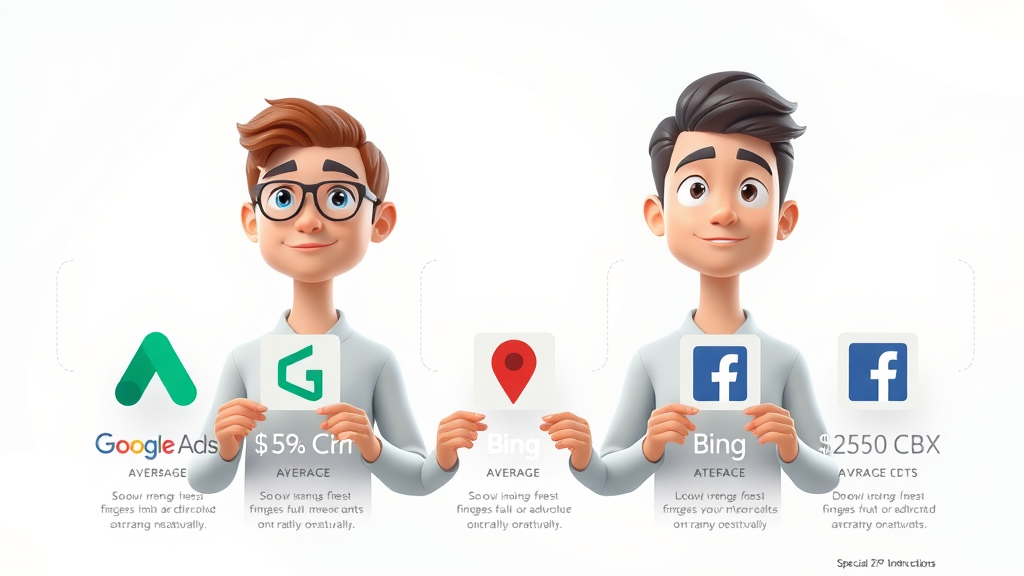
Comparison of PPC Ad Platforms, Average Cost Per Click, and Market Share

PPC Platform

Average Cost Per Click (CPC)

Global Market Share

Google Ads

$1.00 - $2.00

~70%

Bing Ads

$0.80 - $1.60

~10%

Facebook Ads

$0.50 - $1.50

~15%

Other Platforms (LinkedIn, Twitter, etc.)

$1.20 - $3.00

~5%

Infographic of top PPC ad platforms including Google Ads, Bing, and Facebook with average cost per click values and visual representation of market share

Optimizing PPC Advertising to Reduce Your Cost Per Click

One of the most powerful levers in pay-per-click advertising is reducing your cost per click (CPC). Lowering CPC means you acquire more clicks, leads, and sales for the same budget, skyrocketing your campaign ROI. Achieving this requires a deep understanding of Google Ads’ quality score, selecting precise keywords, and structuring your ad groups for relevance. When executed correctly, optimization strategies can mean the difference between high ad spend and cost-effective, results-driven marketing.

It’s not just about lowering bids; it’s about increasing ad relevancy, aligning ad copy to searcher intent, and ensuring your landing page delivers value. Review your ad group structure regularly to make sure ads and keywords are tightly connected. Common pitfalls, such as broad match keyword overuse or neglecting negative keywords, can inflate your costs significantly. By mastering these aspects, you’ll position your ppc ad for higher rankings and lower CPCs across Google search, social media, and beyond.

How Quality Score Impacts PPC Ads and Cost Per Click

  • Google Ads' quality score and its effect on your ad spend

  • Techniques to improve quality score and boost ROI

  • Mistakes in ad group structure that raise costs

The quality score is Google Ads’ internal measurement of how well your ad, keywords, and landing page align with user intent. A high quality score can substantially reduce your cost per click , making every ad dollar go further. Google rewards advertisers who consistently provide relevant, helpful experiences; this means tightly themed ad groups and highly clickable ad copy.

To improve your quality score, focus on keyword relevance, include keywords in your ad text, and direct users to landing pages that deliver exactly what your ad promises. Avoid mixing unrelated topics in one ad group—this dilutes keyword relevance and hurts your quality score. Common mistakes, such as loosely organized ad groups or generic ad copy, often lead to wasted spend and missed opportunities. Mastering quality score is one of the most vital steps in maximizing pay-per-click advertising efficiency.

Building High-Performing PPC Campaigns: Strategies for Effective Pay-Per-Click Advertising

PPC campaigns flourish when built on a solid foundation. This means in-depth keyword research, disciplined ad group segmentation, and continuous performance monitoring. The best results come from targeting users at the precise moment they're searching for your solutions—not after the fact.

Successful campaigns balance broad reach and precision targeting. Segmentation of ad groups allows for granular testing of ad copy, bid adjustments, and landing page variations. Use a combination of search engine data, competitor analysis, and ongoing campaign metrics to refine your approach. Over time, your ppc advertising will become more efficient, driving stronger ROI with every iteration.

Researching Keywords to Lower Cost Per Click in PPC Advertising

  • Paid search keyword research tools and best practices

  • Negative keyword strategy for higher PPC ad efficiency

Effective keyword research is the foundation of any profitable pay-per-click advertising strategy. Utilize advanced tools—such as Google Keyword Planner, SEMrush, and Ahrefs—to identify high-converting, cost-effective keywords relevant to your business. Focus on specific long-tail keywords that signal high intent, as these often have lower competition and, correspondingly, lower cost per click .

Implementing a robust negative keyword strategy is equally crucial. By excluding irrelevant search queries, you prevent wasted ad spend and improve overall ppc ad efficiency. Regularly review your keyword performance reports, adjusting bids and eliminating underperformers. As your dataset grows, your targeting becomes sharper—reducing CPC, increasing click-through rates, and delivering more qualified leads to your pipeline.

Marketing specialist optimizing pay-per-click advertising keywords using advanced keyword research tools and analyzing data on a high-resolution monitor in a modern office

Structuring PPC Campaigns and Ad Groups for Success

  • Ad group organization tips for better click advertising performance

  • Segmentation of ad groups in PPC campaigns

The structure of your ppc campaign can make or break its success. Organize your ad groups by keyword theme, product category, or target audience for better relevance and easier management. Each ad group should have a focused set of keywords and highly relevant ad copy that matches user search intent. This improves quality score and ensures that your ads earn more clicks at a lower cost per click .

Segmentation is key. Split large groups into narrow segments—whether you're targeting different products, locations, or buyer personas. This allows for more granular budget control, more personalized ad testing, and easier analysis of PPC campaign performance. Over time, iterative improvements to structure will amplify your overall pay-per-click advertising results and profitability.

Using Google Ads and PPC Software to Maximize Pay-Per-Click Advertising Results

Today's ppc advertising landscape is shaped by technology. Tools like Google Ads and advanced PPC management software now offer automation, real-time analytics, and AI-powered optimization to supercharge your results. Harnessing these systems not only streamlines your workflow but also ensures you never miss out on key opportunities to reduce cost per click and grow revenue.

From automated bid strategies to dynamic copy testing, harnessing technology gives your business an edge. The right combination of human insight and machine intelligence can reveal hidden insights, catch budget-draining trends early, and make sure each ad dollar works as hard as possible. Whether you manage PPC ads in-house or use an agency, getting familiar with smart software will keep your campaigns sharp and competitive.

Leveraging Automation and AI for Smarter PPC Advertising

  • Automated bidding tools to manage cost per click

  • AI-driven reporting for actionable insights in ppc campaigns

Automation in pay-per-click advertising has revolutionized the way advertisers manage ad spend and campaign performance. Automated bidding tools, like those in Google Ads , can automatically adjust your bids to hit target positions, maximize conversions, or reach CPA goals. These systems take real-time data—such as device, location, and audience behavior—into account to set the right maximum bid every time. The outcome: improved efficiency, reduced cost per click, and better campaign results with less manual oversight.

Artificial intelligence is taking things further with AI-driven reporting and predictive analytics. These capabilities identify trends, flag anomalies, and recommend optimization steps for your active ppc campaigns . By embracing smart technology, you simplify complex tasks—leaving more time for strategic planning. Whether you're running a single search ad or a global network of ad groups , AI and automation are your allies for sustainable growth.

AI-powered dashboard automating cost per click and PPC ad campaign management, showcasing algorithmic optimization and futuristic UI

Advanced Tactics: Boosting Quality Score and Ad Group Relevance in Paid Search

  • Writing compelling ad copy to increase click-through rates

  • Optimizing ad groups with relevant keywords and landing pages

  • A/B testing for continuous ppc ad improvement

When it comes to boosting your PPC campaign’s performance, a high quality score is only the beginning. Focus next on crafting irresistible ad copy that entices searchers to click. This not only improves your click-through rates but also enhances your ad's relevance scores across paid search and click advertising networks. Use strong calls to action and mirror the language your audience is searching for—they'll feel understood and more likely to convert.

Your landing page experience is critical. Ensure each ad group drives traffic to pages specifically designed for the keywords in that group, maintaining “message match” and a seamless journey from click to conversion. Layer in A/B testing to experiment with headlines, copy, visual elements, and offers. Every ppc ad you launch is an opportunity to learn—continuous testing and optimization turn marginal improvements into significant ROI gains.

Analyzing PPC Campaign Results: Tracking ROI and Campaign Adjustments

Effective PPC advertising doesn't end after your ads go live. The real growth happens when you analyze performance, adjust strategies, and optimize for better ROI . Key metrics to monitor include conversion rate, click-through rate, and, of course, cost per click . These tell you not only how many users interact with your ads, but how many convert into leads and sales—making it clear where to focus budget and effort for maximum return.

Use analytics dashboards in google ads or your third-party software to dig into ad campaign data. Track each ad group and keyword, monitor trends by device and geography, and quickly spot underperformers. Set up regular reporting intervals—weekly, bi-weekly, or monthly—to compare performance over time and ensure your campaigns are moving the needle.

Key Metrics: Conversion Rate, Click-Through Rate, and Cost Per Click Analysis

Common PPC Campaign Metrics and Industry Benchmarks

Metric

Industry Average

Top Quartile

Click-Through Rate (CTR)

1.9%

4%+

Conversion Rate

2.4%

5%+

Average Cost Per Click (CPC)

$1.50

$0.75

Quality Score

6

8-10

Marketer analyzing pay-per-click advertising campaign performance reports with colorful charts and detailed metrics on dual monitors

People Also Ask: Harnessing Pay-Per-Click Advertising Effectively

What is pay-per-click advertising?

Pay-per-click advertising is a digital marketing model where advertisers pay each time their ad is clicked, rather than for impression views. It’s commonly used in search engines like Google, where ads appear on results pages, as well as on social media and partner websites. The main advantage is direct cost control and the ability to track ROI precisely, since you know exactly how much you spend for each visitor your ad campaign attracts.

How effective is pay-per-click advertising?

PPC advertising can be highly effective because it targets people actively searching for your products or services. Since ads only appear to interested users, campaigns can achieve impressive click-through rates and conversions. With the right strategy—careful keyword selection, optimized ad groups, and quality landing pages— pay-per-click advertising can deliver some of the highest ROI within digital marketing.

What is a good ad cost-per-click?

A "good" cost per click (CPC) varies by industry, competition, and campaign goals. For many businesses, a CPC of $1 to $2 is average, but in competitive markets, $5 or more is not unusual. The best benchmark is your own profitability: as long as you are converting clicks into leads or sales at a positive ROI, your CPC is considered good.

Can you make money on pay-per-click ads?

Absolutely. With well-designed ppc campaigns , it's possible to turn ad spend directly into sales and profit. The key is to optimize your campaigns so that every dollar spent produces more revenue, using strategies such as improving quality score, refining keyword targeting, and testing ad and landing page variations. Businesses that track results carefully and adjust quickly often realize significant gains from pay-per-click advertising .

Expert Insights: Real Quotes from Industry Leaders on Pay-Per-Click Advertising

"PPC advertising is the fastest way to test your digital marketing ideas and get real-time feedback from your target audience." – Industry Expert

"Reducing cost per click is not just about bidding lower but optimizing every aspect of your PPC campaign." – Digital Marketing Thought Leader

Industry expert sharing analysis and insights on effective pay-per-click advertising and campaign trends in a modern conference room

Practical Checklist for Cost-Effective Pay-Per-Click Advertising Success

  1. Identify and prioritize high-intent keywords for your ppc ads

  2. Set up tightly themed ad groups within your ppc campaigns

  3. Continuously monitor cost per click and adjust bids accordingly

  4. Write compelling ad copy and use strong calls to action

  5. Regularly review quality score factors and add negative keywords

  6. Measure and analyze conversion rates for every ppc ad group

An individual focused on digital marketing on a desktop computer in a cozy workspace.

Common Mistakes in Pay-Per-Click Advertising and How to Avoid Them

  • Ignoring negative keywords in paid search

  • Using broad match keywords without monitoring performance

  • Failing to optimize landing pages for PPC traffic

  • Neglecting to split-test ppc ad creatives

Even seasoned advertisers make avoidable mistakes that drain budgets and undercut results. One common issue is failing to add negative keywords, resulting in irrelevant clicks that waste money. Another is over-relying on broad match keywords—while they can increase reach, they may also reduce ad relevance and raise cost per click if not closely monitored. Make a habit of reviewing keyword reports for any new ad campaign or ad group.

Bad landing pages can also sabotage PPC ad performance. If your page doesn’t match the promise of your ad or loads slowly, even the best campaign can fall flat. Last, some advertisers set campaigns and forget them, skipping crucial split-testing of ad copy, creative, and calls-to-action. Continuous testing and learning are non-negotiable for sustained pay-per-click advertising success.

Visualization of pay-per-click advertising pitfalls and warning icons, highlighting areas where campaigns can fail

FAQ: Your Top Pay-Per-Click Advertising Questions Answered

  • What is the average ROI from a PPC campaign? Industry averages vary, but most advertisers report an ROI between 100% and 200%, meaning for every $1 spent, $2–$3 is generated in revenue. The profitability of your ppc campaign will depend on targeting, ad copy, competition, and conversion rates.

  • How do you choose between paid search platforms? Consider your target audience and budget. Google Ads covers the largest audience, while Bing and Facebook can offer lower CPCs for specific niches. Analyze platform strengths and run test campaigns to find the best fit for your goals.

  • What’s the difference between PPC advertising and paid search? While both terms are often used interchangeably, paid search specifically refers to ads triggered by keywords on search engines. PPC advertising is broader, encompassing display ads and even social media promotions on a pay-per-click model.

  • How do you track conversions in click advertising? Use tracking tools such as Google Ads conversion tracking or third-party analytics to monitor actions after clicks (form submissions, purchases, calls). Tag your landing pages and integrate tracking with your ad campaigns for clear, actionable data.

Cut Costs and Elevate Your Pay-Per-Click Advertising Performance

  • Implement data-driven ppc ad strategies

  • Experiment with PPC campaign structure and automation

  • Continue education on new digital marketing and PPC trends

Summary Table: Steps to Reduce Cost Per Click and Improve PPC Campaign ROI

Step

Impact on Cost Per Click

Benefit to ROI

Optimize keyword selection

Low

Higher lead quality

Improve ad and landing page relevance

Medium

Improve ad placement and conversions

Automate bidding & reporting

Medium-High

Efficient budget use, lower CPCs

Test and refine ad copy/creatives

High

Increase CTR and quality score

Continuous review and adjustment

High

Ongoing cost savings, improved ROI

Take the Next Step Toward Local Authority with Effective Pay-Per-Click Advertising

  • Become the local go-to expert in your field

  • Learn about our Authority Building System at LocalMarketingResource.com or call/text 352 266 0499

  • Start attracting real leads with optimized pay-per-click advertising

A MacBook Pro displaying Google Search on a wooden table outdoors, next to a smartphone.

Conclusion

Apply these actionable strategies to optimize your pay-per-click advertising, cut your costs, and accelerate growth—then take the next step by becoming your area’s go-to PPC authority today!

search engine marketing

200 Views

0 Comments

Write A Comment

*
*
Related Posts All Posts
01.31.2026

How New Google Core Updates Critically Impact Educational Supply Chain Now

Did you know that nearly 90% of searches for school supplies now end without a single click? This silent seismic shift isn't just upending how vendors reach classrooms—it's quietly rewriting the rules of the entire educational procurement ecosystem. As digital procurement becomes the norm, the impact of Google core updates on educational supply chain operations has become mission-critical for every K-12 supplier seeking to remain visible, trusted, and chosen by tech-savvy school district buyers. This comprehensive guide reveals the new ranking signals, brand authority strategies, and actionable SEO adjustments necessary to thrive in the evolving world of E-E-A-T (Experience, Expertise, Authoritativeness, Trustworthiness) and zero-click search.Opening Insights: Unveiling the Impact of Google Core Updates on Educational Supply Chain“Nearly 90% of school supply searches now end without a click—reshaping the entire educational procurement ecosystem.” - Local Marketing ResourceOver the past year, the educational supply chain has undergone a profound transformation, not from supply shortages, but due to the invisible algorithms powering Google core updates. Where trusted vendors once dominated procurement searches, we now see digital platforms, AI-powered answers, and “zero-click” summaries taking priority. For both K-12 buyers and education vendors, knowing the impact of Google core updates on educational supply chain visibility is no longer optional; it’s a critical step in ensuring business continuity.As Google’s E-E-A-T standards, core web vitals, and helpful content updates reshape search results, the old methods of keyword stuffing and generic listings simply don’t cut it. Instead, supplier content needs to look great, offer verifiable classroom outcomes, and satisfy both human decision-makers and AI-driven search engines. Let’s uncover why your product pages might be slipping—and what you need to do to reclaim your spot in front of district procurement teams.What You'll Learn: Navigating the Impact of Google Core Updates on Educational Supply ChainWhy recent Google core updates dramatically affect educational supply chainsHow E-E-A-T, content quality, and core web vitals shape your visibilityStrategies school supply brands must use to remain found by K-12 buyersExpert perspectives on helpful content and search ranking for educationActionable steps for SEO success in the E-E-A-T eraUnderstanding the Latest Update: What is the Impact of the Google Core Update?Demystifying Google Core Updates and Educational Supply Chain ChallengesOverview of Google core update algorithm and the latest June core updateDirect and indirect effects on educational procurement processesRise of zero-click search and its implications for supply chain visibilityGoogle core updates—such as the recent June core update and helpful content shifts—are fundamentally altering how educational supply chain brands are discovered by K-12 school district procurement professionals. Unlike minor refreshes, these core updates overhaul ranking rules. Suddenly, previous top search results drop off; only content and platforms meeting new technical standards and E-E-A-T benchmarks remain competitive. Key effects include shifts in how user intent is analyzed, re-balanced weightings for helpful content over keyword stuffing, and increased zero-click outcomes where procurement officers source the answer directly on Google without visiting supplier sites.For educational suppliers, this means any lag in technical SEO (like failing core web vitals scores) or inattentiveness to content quality can result in near-instant drops in search visibility. More than ever, procurement officers may never even see your brand if your site doesn’t meet the new search ranking and user experience standards. Standing out now requires expertly targeted content for both informational search intent (educators, CTOs, curriculum leads) and commercial search intent (procurement officers, finance teams), plus technical resilience and authentic sector evidence.As you refine your approach to technical SEO and content quality, it’s also valuable to consider how your digital presence supports the entire buyer journey. For additional insights on optimizing user experience and engagement in high-stakes environments, explore strategies featured in the Waiting Room article, which highlights practical tactics for building trust and streamlining decision-making online.Why Google Core Updates Matter for Search Engine Rankings in Educational Supply ChainsDecoding ranking signals: E-E-A-T, core web vitals, helpful content updatesImpact on traditional search engine and procurement behaviorsGoogle core updates now reward webpages that demonstrate experience, expertise, authority, and trustworthiness through quality content—not just slick sales pitches. The impact of these updates on search engine rankings for educational supply chains cannot be overstated. School vendors clinging to old SEO tactics, like keyword-rich but empty pages or backlinks without substance, have seen their pages fall. Instead, Google’s machine learning-driven algorithm parses for evidence of efficacy, Return on Instruction (ROI), and genuine instructional value—aligning with procurement officers’ actual research practices.Meanwhile, search intent is interpreted more contextually. If your platform quickly provides research-backed, classroom-tested solutions—showing compliance (SOC2, FERPA), teacher endorsements, and pilot program data—Google’s search engines are more likely to present your content at the top. Without these improvements, even excellent products risk going unseen. For education vendors, the latest core update signals a clear mandate: combine user-centric content and robust technical SEO to remain in the procurement spotlight.Industry Voices: Barry Schwartz on Core Update Effects Within Educational Supply Chain“Suppliers who adapt to E-E-A-T and helpful content signals remain visible; those who lag are disappearing from procurement searches.” – Barry SchwartzAs a leading authority from Search Engine Roundtable and frequent contributor to Search Engine Journal, Barry Schwartz echoes what K-12 vendors are seeing first hand: visibility now depends on fast adaptation to E-E-A-T and helpful content signals. Brands embracing this change—by implementing teacher-led reviews, pilot program highlights, and rich, transparent info architecture—have sustained or even improved their search engine rankings post-update. Those relying on thin pages or static catalogs? They’re vanishing from procurement queries almost overnight. As Schwartz underscores, “helpfulness” is no longer a buzzword; it’s a survival strategy for school supply brands facing Google’s evolving search quality standards.Reflecting this, successful educational companies are rethinking everything from product page narratives to core web vitals optimization. The bottom line: in today’s search ecosystem, algorithmic authority and instructional trust are mutually reinforcing—and non-negotiable.Core Web Vitals and Content Quality: How Google Core Updates Influence Educational Supply ChainContent Quality, Helpful Content, and SEO Success After a Google Core UpdateWhy core web vitals matter for educational supply platformsEnhancing user experience and search engine trustAligning with the helpful content update for K-12 procurementThe shift in Google core update algorithms has made core web vitals—the technical metrics measuring page load speed, interactivity, and visual stability—vital gatekeepers for online visibility. Educational supply platforms with sluggish or glitchy interfaces are penalized, regardless of content quality, because procurement teams demand—and Google expects—instant navigation and seamless checkout as trust signals. Websites that routinely fail to meet web vitals, or are slow on mobile, now struggle to appear in search results.At the same time, quality content has become the chief differentiator in Google core update rankings and among K-12 buyers alike. Pages that offer practical, evidence-based educational product information—backed by pilot program data, learning science frameworks, or teacher testimonials—win not only search engine trust but also procurement committee approval. With the helpful content update, superficial, duplicative, or outdated content quickly loses ground. Today’s SEO winners show real world classroom impact while bolstering technical performance, offering the kind of layered online experiences that both Google and real buyers need.Educational Supply Chain Examples: Winners and Losers Post-UpdateBrandPrevious RankingPost-Update RankingCore Web Vitals ScoreContent Quality ScoreEduPro Supplies387265Classroom Innovations529190SchoolDirect Online758580STEM Gear Co.1168886Basic Ed Resources2105967The above table highlights the profound impact of Google core updates: brands like “Classroom Innovations,” with high core web vitals and top-tier content quality, have dramatically improved their rankings. In contrast, those with poor technical performance or generic, outdated content have stumbled or nearly disappeared from relevant search results. This underscores the importance of a two-pronged strategy: optimizing both site performance and the helpfulness, clarity, and instructional relevance of your content.In short, there’s no longer a separation between technical SEO and content strategy—only a holistic approach will keep educational suppliers visible and credible in the eyes of Google and K-12 procurement teams.Helpful Content and Brand Authority Signals: Building Trust In Your Educational Supply Chain BusinessHow Helpful Content Update Shapes Your Relationship with K-12 School District ProcurementAligning supply chain content with informational and commercial search intentDemonstrating evidence of efficacy and Return on Instruction (ROI)Generating brand authority signals for Google and educational buyersIn today’s educational supply chain, trust is built on more than product specs—it’s earned through transparent, helpful, and evidence-based content. Google’s updated search quality rater guidelines go hand-in-hand with procurement officers’ own expectations: supplier websites should offer both data-driven insights (pilot studies, product efficacy, ROI proof) and real classroom use cases (teacher endorsements, student impact videos) to support every phase of the purchase journey.“District procurement teams now expect both data-driven insights and real classroom use cases in supplier content for decision making.”Effective brands blend informational intent (whitepapers, research, product fit guides) with commercial intent (clear procurement CTAs, compliance credentials, live chat). This layered approach creates the brand authority signals Google now favors, while making it easy for busy K-12 buyers to trust you. Regular content refreshes, featuring third-party validation and compliance highlights (ESSER funding, SOC2, FERPA), are vital for ongoing visibility in both B2B and B2G procurement environments.LLI Strategies for Educational Supply Brands: Authority, E-E-A-T & User ExperienceBalance technical SEO (core web vitals, schema markup) with helpful content (classroom case studies, compliance credentials)Use teacher testimonials and pilot program data to build trustEnsure user experience meets both K-12 buyer and search engine standardsTechnical SEO must work hand-in-hand with human-focused storytelling and compliance assurance. Optimize your platform’s speed and structure, sure, but also surface teacher-led product reviews, classroom pilot results, and data visualizations that satisfy procurement’s need for evidence. Your narrative should be easy to navigate, built around K-12 priorities like Return on Instruction and equity, and supported by seamless user journeys from research to quote requests or purchasing. These efforts create the virtuous cycle—Google trusts your site, educators and buyers trust your brand.Strategies for SEO Success: Responding to the Impact of Google Core Updates on Educational Supply ChainTechnical SEO Tactics for Educational Suppliers: Surviving Core UpdatesZero-click search strategy and AI Overviews citation optimizationOptimizing product authority through classroom use-case studiesEmphasizing student data privacy compliance (SOC2, FERPA)Integrating evidence-based educational product proof pointsWinning in the E-E-A-T era requires educational suppliers to master technical SEO essentials, including optimizing core web vitals, blazing load times, mobile-first design, and valid schema markup. But technical prowess alone isn’t enough. Today’s leading brands are also maximizing their zero-click search strategy by feeding concise, high-authority answers directly to Google’s Search Generative Experience (SGE) and optimizing for brand mentions in AI Overviews citations.At the same time, product authority is cemented by showcasing classroom use-case studies: pilot program data, learning science frameworks, teacher-written testimonials. For demonstration of compliance, explicitly discuss student data privacy certifications (SOC2, FERPA) and highlight how digital processes support district priorities.Ultimately, successful educational supply brands develop persuasive, evidence-rich frameworks that answer procurement and instructional questions before they’re even asked—earning top spots in both organic and AI-driven search results.How to Demonstrate Evidence of Efficacy and ROI in the Educational Supply ChainPilot program data and teacher reviews as trust signalsClear Return on Instruction (ROI) metricsLearning science frameworks and pedagogical alignmentProcurement teams no longer settle for empty claims—they demand robust proof of efficacy and quality content before making purchases. Suppliers must integrate pilot program data, third-party research, and teacher reviews directly into product and landing pages, using data visuals, infographics, and tables to clarify key impacts. Highlight specific ROI metrics (student outcomes, learning improvement per dollar spent) and call out your alignment with recognized learning science frameworks and instructional design compatibility standards.By combining third-party validation with clear outcomes, brands foster the confidence and trust that Google and human decision-makers both demand, increasing conversion rates and long-term procurement loyalty.People Also Ask: Google Core Updates and Educational Supply Chain FAQWhat are the effects of Google core update?Google core updates can dramatically alter search engine rankings. For educational suppliers, those lacking E-E-A-T principles and solid core web vitals risk losing visibility overnight. In contrast, authoritative, helpful brands—those that share real classroom proof and align with Google’s quality signals—see their search presence and procurement leads grow.How has Google impacted education?Google’s core update algorithms and evolving search quality standards have fundamentally changed how educators and district leaders find, vet, and select educational resources. Today, digital procurement decisions depend on a brand’s ability to communicate not just prices, but clear evidence of efficacy and Return on Instruction (ROI), as well as compliance and product fit for unique K-12 needs.How does Google help in education?Google’s search tools support learning and procurement by surfacing high-quality, relevant, and trustworthy resources faster. Features like the Search Generative Experience (SGE), AI Overview citations, and advanced filtering make it easier for teachers, IT leaders, and procurement officers to find evidence-backed, compliant solutions that align with local classroom requirements.What recent changes have caused supply chain management to gain importance?Recent shifts—including AI-driven search, zero-click outcomes, and the migration of procurement online—have made supply chain management more strategic. School district buyers must now evaluate not just the cost and speed, but digital trust, instructional alignment, and data protection, making evidence-based educational products and compliance front and center in vendor selection.FAQs on the Impact of Google Core Updates on Educational Supply ChainHow quickly can educational suppliers recover from core update penalties? Recovery times vary, but suppliers who quickly address E-E-A-T content gaps and core web vitals issues through comprehensive updates can see positive movement in a few months. Ongoing monitoring and content improvements are vital post-update.Are there risks to over-optimizing for core web vitals at the expense of helpful content? Absolutely. Overemphasizing technical SEO can result in thin, unhelpful pages. Balance speed and visual stability with robust, authoritative content that answers classroom and procurement needs.What is the best way to demonstrate evidence of efficacy to school district buyers online? Use third-party research, classroom case studies, pilot program data, and teacher reviews. Present this information directly on product and decision pages using clear tables, videos, and downloadable guides.Key Takeaways: Protecting Your Search Ranking Amid Google Core Updates for Educational Supply ChainE-E-A-T and helpful content are indispensable for visibility in educational supply chainsCombine technical SEO with authority-driven language for B2B and B2G procurementProve product authority through real classroom outcomes, not just specsStrategic adaptation is crucial post-Google core updatesNext Steps: Stay Visible in Educational Supply Chains After Google Core Updates Call John @ LocalMarketingResource.comReady to stay at the top of search results and in the minds of K-12 buyers? Let’s craft your E-E-A-T-driven strategy. Email: John@LocalMarketingResource. com to schedule a complimentary SEO visibility audit and take your educational supply chain brand to the next level.As the digital landscape continues to evolve, staying ahead means not only adapting to Google’s latest core updates but also anticipating the next wave of changes in online engagement and procurement. If you’re interested in exploring broader strategies for building trust and optimizing the user journey in high-stakes decision environments, the Waiting Room resource offers a deeper dive into advanced techniques for nurturing confidence and streamlining conversions. Take the next step in your digital transformation and discover how a holistic approach can elevate your educational supply chain’s visibility and impact.Sourceshttps://searchengineland.com – Search Engine Land: Google Core Update 2024 Impacthttps://developers.google.com – Google Search Central: March & June 2024 Core Updatehttps://www.edweek.org – EdWeek: What Google's AI Overhaul Means for Education Suppliershttps://www.searchenginejournal.com – Search Engine Journal: E-E-A-T Explainedhttps://www.teachthought.com – TeachThought: Google Search Updates and Education ProcurementGoogle core updates have significantly impacted the educational supply chain, necessitating strategic SEO adjustments for suppliers aiming to maintain visibility and relevance. The December 2024 update, for instance, emphasized content relevance and user experience, leading to notable fluctuations in search rankings for educational institutions. Many schools reported declines in website traffic and keyword performance, particularly for content misaligned with their core offerings. (einpresswire. com) Similarly, the March 2025 core update prioritized high-quality, authoritative content, rewarding sites that provide genuine value to users. This shift adversely affected B2B websites, including those in the educational sector, that relied on thin or AI-generated content. Consequently, educational suppliers must focus on creating original, well-structured content informed by subject matter experts to align with Google’s evolving standards. (medium. com) To adapt to these changes, educational suppliers should: Enhance Content Quality: Develop comprehensive, user-focused content that directly addresses the needs of educators and procurement professionals. Optimize Technical SEO: Ensure websites are mobile-friendly, load quickly, and have clear site architecture to improve user experience and meet Google’s technical standards. Demonstrate Authority: Showcase expertise through detailed author bios, case studies, and evidence of efficacy to build trust with both users and search engines. By implementing these strategies, educational suppliers can navigate the challenges posed by Google’s core updates and maintain a strong online presence in the evolving digital landscape.

01.08.2026

How to Leverage Local Marketing Services to Drive Small Business Growth in 2025

How can small businesses break through the noise and establish real, measurable growth in 2026? The rules are changing at lightning speed—local marketing services now demand a seamless blend of cutting-edge AI, expert-led strategy, and relentless reputation-building John Pickett's Core Insight: Transforming Local Marketing with AI and Fractional CMOs According to John Pickett, the foundation of local business growth remains the same—reputation. "Building, managing, and marketing your reputation" is still king, but the context has profoundly shifted. As John notes, "AI is offsetting the typical hard-core proven SEO search message." In 2026, being visible means keeping up with both customer perception and how AI-driven engines evaluate expertise, freshness, and authority. Businesses can no longer rely only on traditional search optimization; they must embrace new technologies and approaches to maintain relevance. His unique angle? Marrying an FCMO’s holistic strategy with proprietary AI tools to produce high-impact, SEO-optimized content at a fraction of the traditional cost "Reputation remains king, but with AI entering the field, we're shifting beyond the traditional SEO playbook to win local search visibility." — John Pickett, Local Marketing Resource Why Local Marketing Services Are Critical for Small Business Success in 2026 For today’s small business owners and local leaders, relying on old strategies is simply not enough. John Pickett emphasizes that as the digital landscape and consumer behaviors evolve, local marketing services become the lifeline for ongoing growth. In an era where buyers consult AI-powered answers, reviews, and niche-specific content before choosing a local business, ensuring a robust and visible digital presence is no longer optional—it's urgent. According to John, getting this right requires more than running ads or updating websites once in a blue moon. It’s about sustaining a dynamic ecosystem around the business: “If you don’t generate and publish fresh content for search engines to devour, you simply won’t be found by the very customers looking for you.” Reputation, relevance, and response speed all become interconnected; failing in one area means falling behind in all. To see how these principles play out in real-world scenarios, you can explore practical applications and client experiences in the Waiting Room section, which highlights the tangible impact of local marketing strategies on business growth and customer engagement. The AI Revolution: Fresh Content as the New Currency for Search and Reputation The rise of AI marketing has fundamentally changed the rules of the game for local SEO and reputation strategies. AI-driven search engines (think Google’s SGE, Bing AI, or local directory bots) hunger for up-to-date, expert-driven content that gives them confidence you’re an authority in your field. According to John Pickett, “Search engines are starving for fresh, relevant content. Without it, businesses won’t appear as experts in their field or rank well on AI-driven platforms.” This trend means static websites and generic ‘About Us’ pages are a ticket to nowhere. Instead, businesses must commit to publishing new articles, videos, and niche-focused updates regularly. John sees this as both a challenge and an opportunity: those who provide a steady stream of geo-targeted, topical content rise above the pack. This shift isn’t limited to a single profession—dentists, home builders, real estate agents, auto repair shops, and self-storage companies all stand to gain (or lose) based on how well they deliver this fresh "currency" to AI and human users alike. "Search engines are starving for fresh, relevant content. Without it, businesses won't appear as experts in their field or rank well on AI-driven platforms." — John Pickett, Local Marketing Resource AI engines prefer new, authoritative content over static pages Content must be geographically and niche-specific Consistent content creation is vital to stay relevant Introducing the AI Journalist: How Small Businesses Can Create Fresh Content Efficiently So, how can a busy business owner possibly keep up with the relentless need for timely, optimized content? Here’s where innovation meets practicality “Our AI journalist calls clients for just 5 minutes, extracting expert insights effortlessly to generate SEO-optimized, fresh content tailored to their niche and location,” John explains. This solves two core challenges: it fits the time constraints of any business owner (whether you’re running a dental clinic, a real estate firm, or a repair shop), and it ensures every piece of content meets the unique needs of today’s algorithm-driven audience—local references, industry insights, and direct answers to customer questions. "Our AI journalist calls clients for just 5 minutes, extracting expert insights effortlessly to generate SEO-optimized, fresh content tailored to their niche and location." — John Pickett, Local Marketing Resource The Fractional Chief Marketing Officer Model: Affordable Expertise For Local Businesses One of the most transformative moves any local business can make is embracing the Fractional Chief Marketing Officer (FCMO) model. According to John Pickett, this approach bridges the gap between big-brand expertise and local affordability. “Our FCMO service delivers top-tier marketing execution without the typical high costs—bringing expert strategy and hands-on implementation under one roof,” he notes. The result? Even smaller operations, from auto shops to storage centers, can outcompete larger rivals by being more nimble, more visible, and more responsive to shifting market dynamics and customer needs "Our FCMO service delivers top-tier marketing execution without the typical high costs—bringing expert strategy and hands-on implementation under one roof." — John Pickett, Local Marketing Resource How FCMOs Amplify Local Business Growth Across Industries The backbone? Laser-focused, geo-specific content and reputation management, integrated with AI-driven automation and sales funnels These solutions deliver more than just web traffic. They facilitate integrated reputation management (to drive those crucial 5-star reviews), precisely targeted SEO, and automated follow-up campaigns that put your brand top of mind at the moments that matter. According to John Pickett, automating reputation and sales messaging has enabled clients to boost conversions by up to 300%—with measurable results that outpace typical do-it-yourself marketing or fragmented outsourcing approaches. Tailored strategies for dentists, builders, real estate, automotive, self-storage, and more Integrated reputation and SEO management for 5-star local presence Automated messaging and funnels boosting sales by up to 300% Case in Point: Saving Time and Increasing Online Relevance The practical impact of John Pickett’s approach is best understood in real-world numbers. Traditional content development can claim an entire workday—and that’s before considering ongoing review management or strategy development. With AI journalist automation and the FCMO model, those same tasks collapse into minutes, not hours, freeing up margins and enabling scale. Here’s a tangible comparison: Task Traditional Time AI Journalist Time Impact Creating one SEO article 8+ hours 5 minutes Saves time, ensures fresh & geo-targeted content Managing reputation & local reviews Ongoing manual effort Integrated automation Consistent 5-star presence Marketing strategy development Costly consultancy hours Fractional CMO ongoing service Affordable expert execution Key Takeaways: Leveraging Local Marketing Services To Dominate In 2026 Miss out on the AI revolution and you’ll get left behind—John Pickett’s insights outline a crystal-clear path for small businesses hungry to win their market in the coming year. By deploying local marketing services that prioritize fresh content, automated efficiency, and expert leadership, businesses can claim share from bigger competitors without overspending. "Small businesses don’t have to reinvent the wheel; by tapping into FCMO services with AI-driven content, they can compete like big brands without big budgets," John concludes. With the right tools and strategic support, every local business now has a shot at industry leadership. "Small businesses don't have to reinvent the wheel; by tapping into FCMO services with AI-driven content, they can compete like big brands without big budgets." — John Pickett, Local Marketing Resource Commit to fresh, SEO-optimized, and expert-driven content regularly Leverage AI tools to save time and maintain relevance Adopt fractional CMO services for affordable, results-driven marketing leadership Focus on niche and local geolocation for maximal impact Next Steps: How to Transform Your Local Business with John Pickett's Team Ready to take action? According to John Pickett, working with a strategic marketing partner like Local Marketing Resource means “you’re not just hiring a consultant; you’re getting doers who make small businesses relevant right in their communities Unlock access to cutting-edge local marketing services and a program proven to elevate your business above competitors. Whether you’re looking for more traffic, stronger reputation, or systematized sales, John's team delivers actual implementation built to fit both your budget and your growth goals. Experience a strategic marketing partner rather than a consultant Access cutting-edge AI content creation tailored for your business Join a proven program designed to boost local visibility and sales rapidly "We're not just consultants — we're doers dedicated to making small businesses become seen and relevant in their own communities." — John Pickett, Local Marketing Resource Call to Action Call John Pickett at Local Marketing Resource: 352-266-0499 Mention this article to ask about the exclusive BETA program with approximately 65% off on most strategies Take advantage of premium local marketing services and AI-driven content solutions at unmatched value The landscape for local marketing services in 2026 has never been more filled with opportunity—or urgency. As John Pickett so powerfully demonstrated, the convergence of AI innovation, expert strategic leadership, and cost-effective FCMO models empowers every small business to win in their local market. By acting now, investing in fresh content, and seeking true partners (not just consultants), your local brand can not only survive, but thrive and lead in the digital-first economy. Let John and his team show you how. The future belongs to those who act. If you’re inspired to elevate your local business and want to see how these strategies translate into real-world results, consider exploring additional resources that dive deeper into the evolving landscape of local marketing. By broadening your understanding of customer engagement and digital transformation, you’ll be better equipped to adapt and thrive as new technologies emerge. Discover how other business owners are leveraging innovative marketing solutions in the Waiting Room—a hub for actionable insights and next-level growth ideas. Take the next step toward mastering your market and unlock the advanced tactics that will define success in 2026 and beyond. To further enhance your understanding of local marketing services and their impact on small business growth, consider exploring the following resources: “Local Search (Internet)”: This article provides an in-depth look at how specialized Internet search engines allow users to perform geographically constrained searches, which is crucial for businesses aiming to target local customers effectively. (en.wikipedia.org) “Local Store Marketing”: This resource delves into marketing strategies that focus on consumers within a specific radius around a physical location, offering insights into tailoring marketing messages to the local populace. (en.wikipedia.org) By exploring these resources, you’ll gain valuable insights into the strategies and tools that can help your small business thrive in the local market.

01.08.2026

Integrating SEO and Paid Traffic In Muskegon Effectively for Local Marketing Success in Competitive Markets

In today’s fiercely competitive local marketplace, small businesses can no longer rely on a single marketing channel to claim their share of growth. The secret to rapid and sustainable expansion isn’t just in mastering SEO/AEO and paid traffic separately—it’s in weaving them into a seamless, synergistic powerhouse. That’s where John Pickett, founder of Local Marketing Resource, stands out as your authoritative guide. Drawing from years of proven success and innovative strategies with local businesses spanning dentists, real estate, automotive, and more, John unlocks the playbook to not just survive—but dominate—in your local market. Whether you’re a small business owner, marketing director, or ambitious entrepreneur, this article delivers the 'aha moments' and step-by-step insights you need to integrate these tools for unstoppable growth.John Pickett’s Core Thesis: Dominating Local Markets with Integrated SEO/AEO and Paid TrafficJohn Pickett’s approach to digital marketing is clear: in a landscape saturated with competitors, excelling at either SEO/AEO or paid traffic in isolation may get you noticed, but it won’t secure your leadership position or maximize your revenue. Instead, the most resilient and high-performing local businesses are those who build a bridge between organic search and paid campaigns, leveraging the strengths of both to fill the marketing funnel faster and more efficiently. This philosophy is grounded in Local Marketing Resource's experience partnering with businesses across varied niches, consistently outperforming rival agencies by integrating strategies like reputation management, marketing automation, and video conversion tactics.As John Pickett, of Local Marketing Resource, explains: "To truly dominate your local market, SEO/AEO and paid traffic aren’t competitors—they are your best allies working together to create unstoppable growth."Why Small Businesses Must Integrate SEO/AEO and Paid Traffic NowAccording to John Pickett, waiting to merge your SEO/AEO and paid traffic strategies in Muskegon is akin to leaving untapped sales and growth behind for your competition to seize. In fiercely competitive markets, local businesses must occupy every phase of the customer journey—from the first online search to the final purchase decision—by ensuring both organic and paid channels work in concert. Pickett emphasizes that relying exclusively on one avenue often results in pipeline gaps, lost opportunities, and a vulnerable local presence. Instead, when a business is visible both in natural search results and in targeted ads, it builds credibility, educates more effectively, and intercepts consumers at every point of intent.This integration is especially relevant for markets like dentistry, real estate, attorneys and automotive services—where the buying cycle can vary from impulsive to carefully researched. "In highly competitive local markets, relying on just one channel leaves money on the table," notes Pickett. By blending robust SEO for long-term trust with nimble paid traffic for short-term wins, acquisition costs drop, and brands stay top-of-mind. The result? A compounding effect that accelerates lead generation and customer conversions.For businesses looking to further streamline their client engagement and retention, exploring advanced solutions within the company's virtual waiting room system can complement your integrated SEO and paid traffic efforts by enhancing the customer experience and reducing friction at key touchpoints.As John Pickett, FCMO of Local Marketing Resource, shares: "In highly competitive local markets, relying on just one channel leaves money on the table. Integrating these approaches not only fills every part of your funnel but accelerates customer acquisition exponentially."Proven Local Marketing Strategies from Local Marketing ResourceDrawing on the collective expertise of Local Marketing Resource, John Pickett offers proven strategies for real-world results. This toolkit isn’t just theoretical—it’s a battle-tested suite of digital strategies that have driven remarkable growth for clients in industries as diverse as self-storage, automotive, law offices and real estate. By integrating advanced marketing automation, expert-level reputation management, and social media advertising, small businesses can amplify every marketing dollar and create a cohesive brand experience that wins trust rapidly.Each tactic in this toolkit is tailored to close specific gaps that most local businesses face: streamlining lead nurturing, boosting social proof, and ensuring every visitor is followed up with strategically. These aren’t optional extras but essential layers to a modern marketing campaign that anchors sustained growth. Pickett's strategies are designed for scalability and rapid implementation, proving that even small teams can achieve results that rival larger competitors.Leveraging Marketing Automation for Scalable GrowthOne of the pillars of Local Marketing Resource’s approach is marketing automation, which Pickett describes as the ultimate equalizer for small businesses. Instead of laboriously tracking each lead or manually following up with every inquiry, marketing automation builds an intelligent, always-on funnel that nurtures prospects automatically. This is the secret sauce behind 200–300% revenue increases, according to Pickett, all without piling more work on the business owner’s plate.Automation streamlines the path from website visitor to enthusiastic, paying customer—facilitating timely follow-ups, delivering personalized content, and re-engaging dormant leads. These automated campaigns are customized for each niche, whether it’s scheduling dental appointments via SMS or reminding real estate prospects about open houses through triggered email journeys. The true value is in time saved and consistency gained, allowing small businesses to scale efforts previously reserved for the biggest players.Pickett, from Local Marketing Resource, observes: "Automation lets small businesses achieve the sales growth of much larger companies—200 to 300% increases in revenue without increasing your workload."Reputation Management: Building and showcasing a 5-star online presenceMobile App Development: Connecting continuously with customersVideo Marketing: Boosting landing page conversions by up to 80%Laser-Focused Social Media Marketing: Generating warm leads 24/7Retargeting Strategies: Capturing and converting 100% of site visitorsCase Study Highlights Across Local NichesThe diversity of John Pickett’s case studies is what separates Local Marketing Resource from competitors; each industry receives a customized blend of SEO/AEO, paid traffic, and reputation strategies. For instance, dental clinics have seen new patient acquisition rates soar after implementing targeted Google Ads layered with organic search content, while automotive services dramatically increased bookings via smart retargeting and automated follow-ups. In real estate, highly qualified leads are generated through landing pages that capitalize on both search intent and paid ads, feeding into automated nurturing systems for optimal conversion rates.Self-storage facilities, often overlooked in digital innovation, have increased occupancy rates by focusing on stellar online reviews and frictionless booking experiences—proving that reputation management and seamless user journeys can tip the scale, even in low-involvement purchase categories. According to Pickett, the common denominator in each success story is the holistic adoption of integrated digital tactics, ensuring no prospect falls through the cracks.Dentists: Enhancing patient acquisition using SEO/AEO and targeted adsReal Estate: Generating qualified leads with integrated funnelsAutomotive Services: Boosting bookings through retargeting campaignsSelf Storage Facilities: Increasing occupancy rates with reputation marketingThe Small Business Owner’s Playbook for SEO/AEO and Paid Traffic IntegrationJohn Pickett believes that local businesses don’t need to make major gambles to see transformational results. Instead, he advocates for a practical, step-by-step playbook that any team can implement. It all begins with auditing your existing SEO and paid traffic efforts to identify overlap and gaps. From here, mapping your customer’s journey ensures you’re intercepting them at each stage: awareness, consideration, and conversion. Marketing automation is then layered in to handle follow-up and nurture at scale, followed by strategic reputation marketing to showcase the experiences your business delivers.One of the highest-leverage tactics, according to Pickett, is deploying retargeting ads to “reclaim” visitors who left your site without converting. These visitors are already familiar with your brand and often require only a gentle nudge to become paying customers. By methodically following these steps, business owners can create a self-sustaining marketing engine that grows faster and stronger with each optimization cycle.Actionable Steps to Start Winning Locally TodayAudit your current SEO/AEO and paid traffic performanceMap customer journeys and identify funnel gapsImplement marketing automation for lead nurturingInvest in reputation marketing to build trustDeploy retargeting to reclaim lost visitorsBuild Your Online 5 Star Reputation NowClick HERE NowCommon Misconceptions and How to Avoid ThemEven with access to leading-edge tools and strategies, misconceptions can hinder growth. One myth is that SEO alone suffices for local market dominance. As Pickett has seen repeatedly, this approach ignores the speed and targeting capabilities of paid ads. Another misconception is that paid advertising is always too expensive; the reality is, with marketing automation and proper funnel mapping, costs drop while ROI rises significantly.A third and perhaps most damaging myth is that reputation management is optional. In reality, online reviews are social proof that can dramatically shift consumer trust and conversion rates—often the deciding factor that tips searches in your favor against bigger competitors.SEO alone suffices for growth — why paid traffic amplifies resultsPaid ads are too expensive — how automation cuts costs effectivelyReputation management is optional — its critical role in conversionsSummary: Your Roadmap to Local Market Leadership with SEO and Paid TrafficIntegrating SEO/AEO and paid traffic, empowered by cutting-edge automation and a relentless focus on reputation, is no longer a luxury for local businesses—it is the path to market leadership. According to John Pickett, this comprehensive approach doesn't just generate more leads, it accelerates the ability to convert prospects into loyal customers while building a brand that stands resilient against competitors. Every business, no matter its size or market, can apply Pickett’s playbook to dramatically improve performance and secure a dominant position.As John Pickett, FCMO of Local Marketing Resource, clarifies: "When SEO/AEO and paid traffic operate in harmony, backed by automation and reputation strategies, small businesses unlock unprecedented, sustainable growth that outperforms their competition quickly."Integrate diverse marketing channels for holistic growthUtilize automation to scale without complexityFocus on reputation to turn prospects into loyal customersIf you’re inspired to take your local marketing to the next level, consider how integrating innovative tools and customer-centric systems can further elevate your results. Exploring resources like a virtual waiting room can help you deliver a seamless experience that keeps clients engaged and coming back. As you continue to refine your approach, remember that the most successful businesses are those that adapt quickly and leverage every available advantage. For more advanced strategies and actionable insights tailored to your industry, discover how Local Marketing Resource can help you stay ahead of the competition and achieve lasting growth.Interested in Targeting & Legally Stealing Your Competition's Customers? Here's How To Do It Affordably Legally Steal Your Competitor's Clients HERENext Steps: Connect with John Pickett and Local Marketing ResourceReady to put these strategies into action and dominate your local market with an integrated SEO and paid traffic approach? John Pickett and the team at Local Marketing Resource are here to be your strategic partner. Whether you’re seeking guidance, want a professional audit, or are eager to leverage exclusive offers, now is the time to accelerate your business growth and secure your leadership position.Call 352-266-0499 to mention this article.Ask about the exclusive BETA program offering approx 65% off on most strategies to build your business.Begin your journey to dominate your local market today.Integrating SEO and paid traffic strategies is essential for local businesses aiming to dominate competitive markets. The article “Harnessing Synergy: The Power of Combining SEO and Paid Search for Local Businesses’ Market Dominance” (thepamediagroup.com) highlights how combining these approaches enhances online presence, targets specific keywords effectively, and increases brand credibility. Similarly, “Local SEO and Paid Ads: A Winning Combination for Local Traffic Growth” (websofttechno.com) discusses the benefits of dual visibility in search results and the ability to create hyper-targeted campaigns. By leveraging both organic and paid channels, businesses can achieve comprehensive market coverage and drive significant growth.

Terms of Service

Privacy Policy

Core Modal Title

Sorry, no results found

You Might Find These Articles Interesting

T
Please Check Your Email
We Will Be Following Up Shortly
*
*
*