

Imagine your brand breaking through the digital noise—your message captivating viewers, going viral, and turning casual scrollers into loyal fans. Video marketing strategies are making that dream a reality for businesses everywhere, transforming how brands connect, engage, and grow in today’s fast-paced digital era. If you’re eager to stay relevant and maximize your marketing campaigns, this deep-dive guide to video marketing strategies is your roadmap to success.
Harnessing the Power of Video Marketing Strategies in the Digital Era
In the age of constant scrolling and fleeting digital attention, video marketing strategies have become more essential than ever. With social media platforms like Instagram, TikTok, and YouTube prioritizing video content, brands that leverage effective video marketing strategies are seeing exponential engagement and brand growth. This trend isn't limited to big companies—small businesses, entrepreneurs, and startups can tap into video to level the playing field.
As audiences crave more engaging, authentic, and relatable stories, brands must use a smart marketing strategy that makes videos not just visually stunning but also targeted, informative, and shareable. Whether it’s a slick product explainer or behind-the-scenes live footage, video marketing offers the versatility and reach needed for modern marketing campaigns. Harnessing these strategies means going beyond just “creating video”—it’s about integrating video into every layer of your campaign for maximum impact.

Scenario: Imagine Your Brand With Viral Video Content
Picture this: After launching a new explainer video as part of your video marketing campaign, your notifications explode with shares, mentions, and new followers. Your product or service is featured across trending hashtags, and positive customer testimonials begin rolling in. This isn’t luck—it’s the direct result of a carefully planned video marketing strategy. With the right content, optimized video formats, and strategic use of social media, this level of brand awareness can be within your grasp.
Viral video content amplifies your message, builds community, and positions your business as an industry leader. The secret sauce? Consistent, high-quality video content that speaks directly to your target audience and aligns with your overall marketing campaign. By understanding the keys to video marketing success, your brand gains a distinct advantage in crowded digital spaces.
For brands looking to elevate their video production quality and storytelling, exploring proven techniques can make a significant difference. If you want to uncover actionable tips and behind-the-scenes insights, check out these Muskegon video production secrets for stunning results that can help refine your next campaign. Muskegon video production secrets for stunning results.
What You'll Learn About Video Marketing Strategies
Understand the fundamentals of video marketing strategies
Identify key types of video content for social media marketing and marketing campaigns
Learn how to create effective video assets tailored to your target audience
Discover tips for maximizing your marketing strategy with video
Gain insights into measuring the impact and success of your video marketing strategy
Defining Video Marketing Strategies: What Makes Them Essential
What is a Video Marketing Strategy?
A video marketing strategy is a comprehensive plan designed to use video content across social media marketing and digital platforms for brand promotion, audience engagement, and achieving specific marketing goals. Effective video marketing strategies blend creativity with analytics—they outline what types of video content to produce, when and where to publish on various video platforms, and how each video ties back to your company’s broader marketing strategy.
The foundation of a strong video marketing strategy lies in setting clear objectives, researching your target audience, and selecting the right video platform. Key components include defining the campaign’s purpose (like brand awareness or lead generation), creating a content calendar, choosing appropriate video formats, and establishing measurable KPIs. As marketing evolves towards more personalized, multimedia content, integrating a robust video approach is critical not just for visibility—but for long-term customer loyalty.

The Evolution of Video Content in Digital Marketing
How Video Marketing Has Transformed Brand Awareness
Over the past decade, video marketing has reshaped how brands share stories and connect with consumers. What once started as simple advertisement reels has evolved into a dynamic spectrum of interactive and engaging video content. Brands now use video for everything—from demonstrating products with explainer videos to sharing customer testimonials and launching viral challenges that spark organic buzz on social platforms.
The power of video lies in its ability to humanize a brand and foster instant emotional connections. When deployed as part of a marketing strategy, videos can make complex topics accessible, drive engagement rates higher than static content, and enable real-time feedback during a campaign. This transformation has made video the gold standard for amplifying brand awareness and loyalty.
Leveraging Video Platforms and Social Media Channels
With platforms like YouTube, Instagram Reels, Facebook, and TikTok dominating the digital landscape, understanding which video platforms best fit your brand is crucial. Not every message belongs everywhere; each platform has a unique algorithm, audience, and visual style. For example, quick tips or fun brand shorts thrive on TikTok, while in-depth tutorials resonate on YouTube.
Choosing the right social media and video platforms boosts your video content’s reach and optimizes your marketing spend. By regularly publishing high-quality, shareable content on the platforms your target audience frequents, your brand earns higher engagement and builds a community. Effectively leveraging multiple social media marketing channels turns every video into a touchpoint for customer interaction and brand storytelling.
Types of Video Content for Effective Video Marketing

Explainer Videos: Simplifying Complex Ideas
Explainer videos distill complex concepts, product features, or services into easy-to-understand visual stories. Effective explainer videos use animation, live-action, or whiteboard techniques to break down difficult topics, guiding viewers step by step. These videos are often the first impression potential customers have of your brand, so clarity, brevity, and compelling visuals are key.
Integrating explainer videos into your video marketing strategy can significantly boost conversion rates and enhance brand awareness. A well-produced explainer not only educates but also builds trust, allowing viewers to see firsthand how your solution addresses their problems. As part of a broader marketing campaign, they position your brand as helpful and knowledgeable, laying the groundwork for further engagement.
Customer Testimonials and Case Studies in Marketing Campaigns
Nothing builds credibility faster than authentic customer testimonials and compelling case studies. When real customers share their positive experiences with your product or service in a professionally edited video, it carries more weight than text-based reviews. These videos showcase tangible results, making your brand’s value clear and relatable.
Embedding testimonials into your campaign nurtures trust and can sway on-the-fence buyers, especially on social media and landing pages. Successful video marketing strategies use these endorsements to create an emotional connection, increasing conversions and enhancing overall brand awareness.
Live Streaming on Social Platforms
Live streaming has become a staple for brands looking to foster real-time engagement. Hosting a live Q&A, behind-the-scenes tour, or product launch event on platforms like Instagram Live, Facebook Live, or YouTube creates a sense of urgency and authenticity. Live sessions encourage audience participation, fostering community and immediate feedback.
Incorporating live content in your video marketing arsenal amplifies reach—followers receive notifications and are more likely to join in. It’s also an opportunity to show your brand’s human side, address concerns in real time, and showcase new offerings in a relaxed, interactive format. Live streaming bridges the gap between business and audience, reinforcing loyalty.

Animated Videos and Branded Shorts
Animated videos and branded shorts are ideal for capturing attention in fun, creative, and visually striking ways. From company origin stories to quick explainer animations, these formats help distill your messaging into digestible, shareable bites. Animations can simplify abstract concepts and give your brand a distinctive visual identity.
With audiences scrolling quickly, branded shorts—under 60 seconds—make a memorable impact, especially on mobile-first platforms like Instagram Reels and TikTok. Including these formats in your video marketing strategies increases versatility and communicates your message to varying audience preferences.
Selecting the Best Types of Videos for Your Target Audience
No single style fits all; the best types of video content depend on your target audience, campaign goals, and chosen platform. For younger audiences, quick and humorous shorts tend to perform well. In contrast, B2B brands might benefit from longer-form tutorials or detailed case study interviews.
To maximize effectiveness, review analytics and experiment with new styles. Mix live streams, customer testimonials, explainer animations, and branded shorts to keep your social feeds dynamic and engaging. By tailoring your video formats to the audience, you increase both viewer retention and conversion rates.
Watch: Learn Your Video Marketing Advantage & Grab The FREE Offer - Limited Time Only
Building a Results-Driven Video Marketing Strategy
Setting Clear Objectives and KPIs for Your Video Marketing Campaign
The first step to a winning video marketing campaign is defining what “success” means for your brand. Are you seeking to grow brand awareness, generate leads, or boost sales? Clearly stated objectives, paired with actionable KPIs—like view counts, click-throughs, or conversions—form the backbone of measurable progress.
Use industry-specific benchmarks and track video performance using analytics tools. Set separate targets for reach (audience size), engagement (likes, comments, shares), and conversion (desired actions taken). These data points guide future content iteration and help refine your broader marketing strategy over time.
Identifying and Understanding Your Target Audience
Successful video marketing strategies start with an in-depth understanding of your target audience. Analyze demographics, psychographics, and social media behavior. What platforms are your ideal customers using? What content styles or topics grab their attention?
Audience insight allows you to create video content that resonates, speaking directly to their needs, pain points, and desires. Crafting personas—fictional characters representing key audience segments—helps guide content tone, format, and distribution strategy, leading to higher engagement and ROI.

Selecting the Right Social Media and Video Platforms
Each video platform is unique—YouTube is king for long-form tutorials and series, while Instagram, TikTok, and Facebook prioritize short, punchy, mobile-first videos. Research where your target audience spends their time and tailor your distribution plan accordingly.
Publish natively on these social platforms to boost organic reach. Pay attention to platform-specific requirements, like aspect ratios, caption styles, and video lengths. Adapting your content delivery for each platform ensures your video marketing strategy hits the mark and drives campaign results.
Crafting Your Brand’s Message for Media Marketing
Consistency is key—every video must reinforce your brand’s voice, values, and visual identity. Whether it’s your logo animations, color palettes, or storytelling style, maintaining a cohesive theme ensures viewers immediately recognize and trust your content.
Clear messaging, combined with strong call-to-action prompts, directs viewers toward desired outcomes (e. g. , subscribe, buy, share). Great media marketing isn’t just about looking good; it’s about translating business objectives into relatable stories that spark action.
Step-by-Step Guide: How to Create Video for Marketing Campaigns
Outline your marketing strategy goals
Plan video content ideas and scriptwriting
Select optimal social platforms and video platforms for distribution
Film and edit engaging video content
Publish and promote across relevant social media channels
Measure engagement and optimize future videos
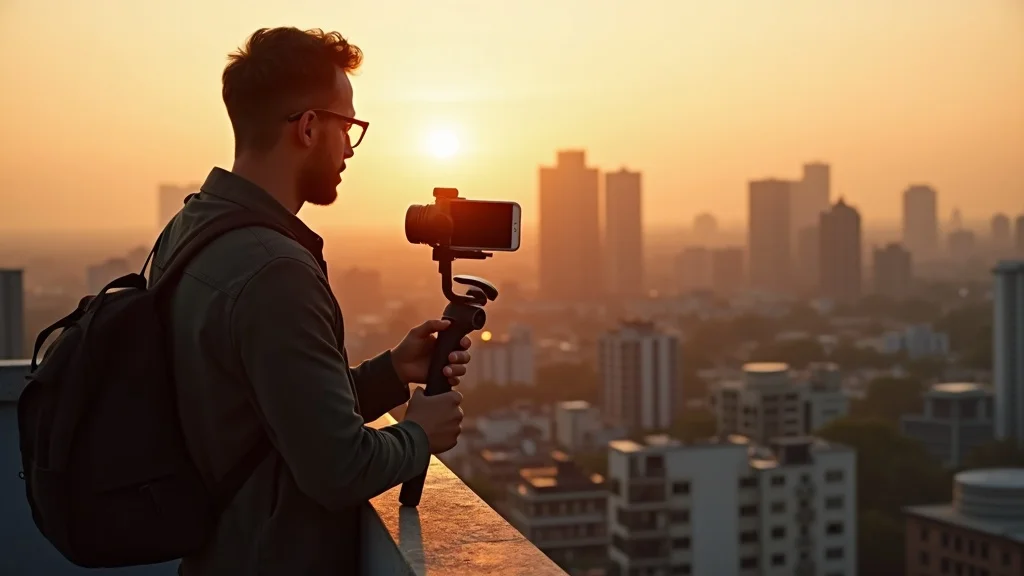
Best Practices for Effective Video Marketing Strategies
Optimizing Video Content for Search Engine Discovery
For videos to become powerful marketing assets, they must be optimized for search engine discovery with keyword-rich titles, descriptions, and tags. Optimize your video content with descriptive titles, keyword-rich descriptions, and relevant tags. Add compelling thumbnails and structured transcripts to make content accessible and crawlable.
Embedding videos on your website, blog posts, or landing pages signals value to search engine algorithms, increasing your page’s authority and chances of ranking higher. Consistently optimizing these elements ensures your video marketing efforts drive organic traffic and support broader marketing goals.
Maximizing Engagement on Social Media with Effective Video Content
Social media platforms prioritize engaging, interactive videos. Use attention-grabbing hooks in the first few seconds, and include captions for silent viewing. Audience involvement—like questions, polls, or clickable elements—spurs shares and comments, extending organic reach.
Don’t forget the power of cross-promotion. Encourage employees, partners, and happy customers to share your content, amplifying your message to wider networks. Experiment with different video lengths, tones, and calls to action to find what resonates best with your target audience.

Balancing Short-Form vs. Long-Form Video in Your Marketing Strategy
Both short-form and long-form videos play unique roles in your overall marketing strategy. Short videos are perfect for capturing attention quickly and are ideally suited for platforms like TikTok and Instagram Reels, where brevity and entertainment drive virality.
Long-form videos allow you to delve deep into subjects—think tutorials, webinars, or interviews. Use these for educating your audience and building lasting relationships. A healthy mix ensures your video content is both discoverable and valuable across all stages of the customer journey.
Incorporating Video Marketing Strategies into Your Marketing Campaigns
Aligning Video Marketing With Overall Brand Strategy
For best results, video should be an extension of your broader brand strategy. Every campaign video must reinforce your core message, ethos, and positioning, ensuring a consistent experience at every digital touchpoint.
Collaborate with design, social media, and content teams to weave video into website banners, product pages, email newsletters, and even offline activations. The more cohesive your message, the more memorable your marketing campaigns become.

Leveraging Video Content for Brand Awareness and Customer Loyalty
Strategic use of video in awareness-stage campaigns helps new audiences discover your brand and its values. Emotional storytelling, user-generated content, or founder stories are highly shareable, creating personal connections that fuel both reach and retention.
For existing customers, exclusive video updates, tutorials, or loyalty program sneak peeks reward continued engagement and foster long-term bonds. Video keeps your brand top-of-mind at every point in the customer lifecycle.
Integrating Video Marketing Strategy with Email and Social Media Marketing
Don’t silo your video content—integrate it into your broader media marketing mix. Embedding video in email newsletters or announcements can increase open and click-through rates, while sharing teasers on social media drives cross-channel traffic.
Plan coordinated campaigns where videos lead viewers from social platforms to product pages, email sign-ups, or webinars. This holistic approach maximizes ROI and strengthens brand recall across all digital venues.
Case Studies: Successful Video Marketing Campaigns
How a Compelling Explainer Video Elevated a Brand’s Visibility
A technology startup used a one-minute explainer video to launch their new app. By focusing on real-world scenarios, easy-to-follow animation, and relatable pain points, the video went viral, doubling website traffic and capturing interest from niche tech blogs. This success underlines how the right mix of clarity and engagement in video content can skyrocket brand awareness.
The campaign proved that investing in high-quality explainer content pays dividends, providing both instant results and ongoing value as the video remained evergreen for new customers and prospects.
Social Platform Campaigns That Drove Viral Engagement
A consumer goods company launched a series of short, funny branded shorts on TikTok, encouraging user participation with a custom hashtag challenge. The campaign rapidly gained traction as followers created their own versions, generating user-generated content and widespread attention. This viral growth translated into measurable increases in product inquiries and purchases.
By aligning content with user trends and creating shareable formats, the brand transformed its social platforms into growth engines, showcasing what’s possible when video marketing strategies are fresh, interactive, and audience-driven.

Common Challenges (and Solutions) in Video Marketing Strategies
"Great video marketing starts with a well-defined strategy that aligns creative storytelling with measurable objectives." - John P, FCMO - LMR Digital
Even the best plans can face hurdles—from tight budgets and creative blocks to shifting platform algorithms and evolving audience preferences. The secret is to anticipate these challenges: repurpose existing content, invest in team upskilling, monitor industry trends, and remain adaptable. Use data analytics to test video performance and refine your approach. Consistency, patience, and continuous learning lead to sustainable results in video marketing.
Understanding Key Rules and Frameworks in Video Marketing
What is the 3-3-3 Rule in Marketing?
The 3-3-3 rule in marketing is a powerful framework for structuring your campaigns. It suggests dividing your outreach into three segments—for example, three distinct audience groups, three key messages, over three time periods. In video marketing strategies, this maintains variety, focus, and consistent touchpoints for your audience, boosting both engagement and content recall. Use the 3-3-3 rule to ensure your efforts are balanced and strategically timed across multiple video campaigns.
What is the 5 5 5 Rule for Social Media?
The 5 5 5 rule is a popular content planning approach for social media marketing. It guides brands to share five pieces of content, five times per week, across five different formats—like explainer videos, live streams, testimonials, behind-the-scenes, and branded shorts. This method helps maintain a constant presence on social platforms and ensures your video content remains diverse, fresh, and engaging.

What is the 70 20 10 Rule in Content?
The 70 20 10 rule provides a balanced approach for content and video strategy. Devote 70% of your efforts to proven content types that drive results (product demos, explainer videos), 20% to new and innovative formats (virtual reality clips, interactive polls), and 10% to high-risk, experimental content (unexpected viral campaigns). Blending these proportions maximizes engagement, fosters innovation, and prevents content fatigue for both your team and target audience.
Measuring the Success of Your Video Marketing Strategy
Key Metrics to Track in Video Marketing Strategies |
|
Metric |
Description |
|---|---|
View Count |
Measures reach |
Engagement Rate |
Comments, likes, shares |
Watch Time |
Indicates content quality |
Conversion Rate |
Tracks actions taken |
ROI |
Assesses overall strategy impact |
Regularly monitoring these metrics helps refine your video marketing strategy, ensuring every video gets closer to achieving your business objectives. Remember, a high view count is great, but meaningful engagement and conversions are the ultimate endgames for your video marketing campaigns.
Video Marketing Strategies for Different Social Media Platforms
Tailoring Video Content for Top Social Platforms
Each social platform calls for tailored video content to maximize engagement and brand awareness across social media marketing channels. On Instagram and TikTok, focus on catchy hooks, quick edits, and trending audio. YouTube rewards longer, in-depth videos, complete with detailed descriptions and strong storytelling structure. LinkedIn thrives on professional, informative videos, while Facebook favors a blend of live streams, native uploads, and shareable shorts.
To maximize ROI, research best practices for each platform and pay attention to audience behavior. Use analytics to learn what resonates, then iterate your video formats and storytelling style for each channel.
Best Practices for YouTube, Instagram, and TikTok Video Marketing Strategies
YouTube: Focus on high-quality production, clear titles, and robust metadata. Group videos into playlists and use cards/end screens for cross-promotion. Engage with comments and update thumbnails for visual impact. Instagram: Keep videos short, use captions, and leverage IG Stories and Reels. Collaborate with influencers and share behind-the-scenes clips to humanize your brand. TikTok: Prioritize authenticity, speed, and trending challenges. Interact with users, utilize native effects, and experiment with various video formats to encourage participation and organic shares.
How to Create Compelling Video Marketing Content for Any Platform
Video Marketing Strategies for Search Engine Optimization
Optimizing Titles, Descriptions, and Tags for Maximum Discoverability
To ensure your video content is found by a wider audience, optimize every element for search engine visibility, including titles, descriptions, and tags. Use relevant keywords in your titles, write thorough descriptions with contextual details, and include appropriate tags that match user intent.
Integrating schema markup and video sitemaps on your website boosts visibility in search engine results pages. Always test and update your meta details as part of video audits to stay ahead of changing best practices.
Building Backlinks with Video Content
Video content is a powerful tool for earning backlinks to your website. Create sharable videos embedded in blog posts, and collaborate with influencers, thought leaders, or industry partners who can reference or repost your videos.
Well-produced videos open up guest posting, syndication, and earned media opportunities, all of which help improve your search engine rankings and establish your brand as an authority in your niche.
Video SEO: Maximizing Visibility for Your Video Marketing Strategy
Lists: Top Tools and Resources to Enhance Your Video Marketing Strategies
Video editing software (Adobe Premiere, Final Cut, DaVinci Resolve)
Analytics platforms (YouTube Analytics, Google Analytics, Sprout Social)
Royalty-free music and visuals libraries (Artlist, Unsplash, Pexels)
Scheduling tools for social media marketing (Buffer, Later, Hootsuite)
AI-powered content suggestion tools (Lumen5, ChatGPT, TubeBuddy)
FAQs on Video Marketing Strategies
What is a video marketing strategy?
A video marketing strategy is a plan that details how to use video content to promote your brand, engage your target audience, and achieve specific marketing goals through various marketing campaigns across video platforms and social media channels.
What is the 3-3-3 rule in marketing?
The 3-3-3 rule in marketing suggests dividing your content or outreach efforts into three main segments, focusing on variety and consistency for effective audience engagement.
What is the 5 5 5 rule for social media?
The 5 5 5 rule provides a structure for posting five pieces of content, five times a week, across five different content types to keep your social media marketing fresh and diverse.
What is the 70 20 10 rule in content?
This rule recommends that 70% of your content should be proven content that supports your brand, 20% should be new content and innovations, and 10% can be high-risk, experimental ideas within your video marketing strategies.
Key Takeaways for Maximizing Your Video Marketing Strategies
Always align video content with your marketing strategy
Focus efforts on platforms and formats your target audience prefers
Leverage metrics to refine and improve each video marketing campaign
Stay updated with social media trends to keep your content relevant
Ready to Transform Your Business with Powerful Video Marketing Strategies?
Contact John@LocalMarketingResource.com to start building a tailored video marketing strategy that delivers measurable results for your brand.
Conclusion: Your journey to mastering video marketing strategies starts now. Keep learning, keep experimenting, and let video amplify your brand's story like never before.
If you’re ready to take your video marketing to the next level, consider how specialized content can supercharge your brand’s visibility. Discover why brand awareness videos are considered the secret weapon for instant impact and learn how to craft compelling stories that resonate with your audience. Dive deeper into advanced strategies and see how the right video can transform your marketing results by visiting brand awareness videos: the secret weapon for instant impact. Elevate your campaigns and unlock new growth opportunities with insights tailored for ambitious brands.


Write A Comment