

Did you know that an incredible 86% of people check a business location on Google Maps before making a purchase? If you’re not appearing among the top results, you’re missing out on customers ready to buy. In this comprehensive guide, discover the step-by-step Google Maps ranking secrets leading businesses use to instantly boost their maps rank, dominate local search results, and achieve stand-out local ranking success.
Discover How Google Maps Ranking Can Transform Your Local Business
- Did you know that 86% of people look up the location of a business on Google Maps before making a purchase? Learn how mastering Google Maps ranking can change your business trajectory instantly.

What You'll Gain from Mastering Google Maps Ranking
- Practical strategies to increase your Google Maps ranking
- Step-by-step guidance to optimize your Google business profile and business listing
- Insights into local SEO and local ranking best practices
- A competitive edge for local search and Google Maps marketing
- Proven methods used by top-performing businesses to appear higher on Google Maps
Understanding Google Maps Ranking: Fundamentals and Factors
- What is Google Maps ranking and why it matters
- Overview of maps ranking signals: relevance, distance, and prominence
- Impact of Google reviews and customer engagement
- Role of business listing and accuracy of business profile details
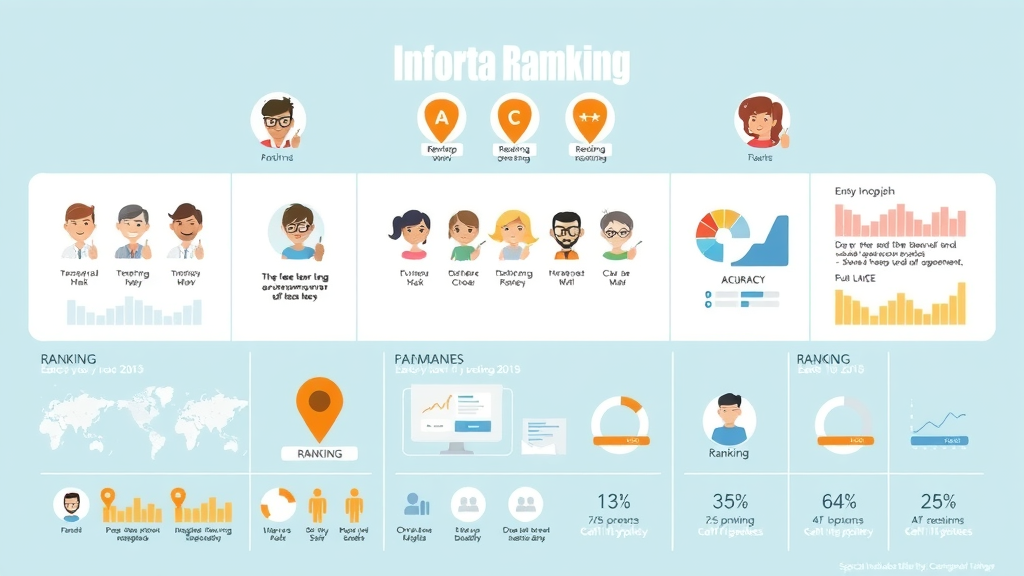
Google Maps ranking refers to how prominently your business listing appears in Google Maps local search results when users search for products or services you offer. Understanding this ranking is crucial for local businesses, as appearing higher on Google Maps dramatically boosts walk-in traffic, phone calls, and sales. More than ever, customers rely on Google Maps to find trustworthy local businesses—and an optimized presence means your business can appear first in results for local searches.
Several factors influence your maps rank . The primary signals include relevance (how well your business matches the search query), distance (how close your location is to the searcher), and prominence (overall popularity and online recognition). Moreover, engaging with customers through Google reviews, regularly updating your business info, and ensuring business profile accuracy all play vital roles in improving your local ranking.
Keeping your business profile current and accurate on Google Maps not only enhances user trust but also ensures you’re considered for the right local search results. Focus on maintaining up-to-date contact information, operating hours, and photos. This systematic attention to your Google business details forms the essential groundwork for local SEO and sets the stage for strong Google Maps ranking performance.
Why a High Google Maps Rank is Crucial for Local SEO Success
- Connection between local ranking and local SEO
- How a top google maps rank boosts local business visibility
- Case studies of businesses achieving higher on Google Maps
- The competitive advantage of appearing first in local search
Achieving a high Google Maps rank is inseparable from effective local SEO . When your business appears at the top of Google Maps search results, you benefit from increased visibility right where customers are searching for nearby products and services. This visibility translates into more calls, in-store visits, and revenue—all driven by capturing intent-based local search queries.
Proven case studies have shown that businesses in the top three “Map Pack” positions on Google Maps often receive up to 70% of all clicks for local searches. For example, a local bakery in Atlanta that focused on gathering positive Google reviews, updating their business profile, and optimizing their service areas, saw a 3x increase in store visits after ranking higher on Google Maps within just 60 days. Being first in local search is not just about prestige—it delivers a measurable, competitive advantage.
In crowded markets, even small changes in your maps rank can have a massive impact on customer acquisition. Just a single position’s difference—from #2 to #1 in Google Maps ranking—can mean hundreds more clicks and inquiries each month. No matter your business size, prioritizing a high Google Maps ranking is the fastest route to local marketing success.
Action Steps: How to Get Higher on Google Maps Instantly
- Claim and verify your Google business profile
- Optimize your business listing: name, address, phone number
- Incorporate local keywords and categories for better maps rank
- Add compelling images and descriptions to enhance maps ranking
- Generate positive Google reviews and respond actively
- Use local SEO strategies for ongoing Google Maps ranking improvement
- Monitor local rank and regular audit of your listing

Optimizing Your Google Business Profile for Better Google Maps Ranking
- Best practices for a complete and accurate business profile
- Using local keywords and city-specific services in your profile
- Updating business listing details regularly to maintain higher google maps ranking
To dramatically improve your Google Maps ranking , begin by ensuring your Google business profile is 100% complete and verified. This includes accurate NAP (name, address, phone number), compelling business descriptions with relevant local keywords, and up-to-date service area coverage. Leverage keywords naturally in your business listing to match what your target customers are typing into Google search, while also specifying your services and city or neighborhood for maximum local ranking signals.
Regular updates are essential. Every time your business info—such as operating hours, phone number, or photos—changes, update your Google business profile promptly. This not only bolsters your maps rank but also improves your credibility with potential customers who expect accurate and timely business information. Consider setting a monthly reminder to review your business profile, keeping your listing fresh, relevant, and primed for local SEO success.
Images play an underrated role in optimizing your maps ranking. Upload high-quality, geo-tagged images that showcase your storefront, services, and team. These visuals not only improve your appeal in local search results but are also a positive signal to Google’s algorithms for a higher on Google Maps position.
Leveraging Google Reviews to Elevate Your Google Maps Ranking
- Encouraging customers to leave detailed google reviews
- Responding to google reviews for credibility and engagement
- Monitoring review signals for improved maps rank
Google reviews are a primary driver for higher on Google Maps—quantity, quality, and recency all matter. Actively encourage your customers to leave detailed and authentic reviews by making the process easy after each transaction. Positive reviews not only boost your maps rank but also foster trust, making your business the natural choice in local search results.
Taking the time to reply professionally to every review—positive or negative—demonstrates customer engagement and authenticity. Google values these interactions as signals of a responsive and trustworthy business, reinforcing your prominence in local ranking signals. Monitor your review count and ratings regularly, set goals for review acquisition, and watch as your visibility climbs.
Remember, your Google reviews also serve as real-time feedback for improving your services and ensuring the best possible customer experiences. Not only do they impact how Google evaluates your business, but they influence potential customers considering whether to contact or visit your business.

The Role of Google Maps Marketing in Achieving a Higher Google Maps Rank
- Integrating google maps marketing in your local SEO campaign
- Promotional strategies specific to Google Maps
- The impact of Google Ads on maps ranking and visibility
Google Maps marketing blends targeted local SEO tactics with strategic promotions to position your business at the top in Google Maps search results. Techniques such as running local campaigns, leveraging features like Posts, Q&A, and Special Offers on your Google business profile grab users’ attention where it matters most—at the point of decision.
Investing in Google Ads tailored for local search can further enhance your visibility. Ads accelerate your path to a higher on Google Maps, especially for highly competitive search results or promotional pushes. When paired with regular content updates to your business listing and business profile, Google Maps marketing builds a sustainable, prominent local presence.
Consistency across all these activities—organic and paid—solidifies your brand’s trust with both search engines and customers. Make sure your entire local SEO strategy works together to support your maps rank and keep you ahead of the competition in your city.
Local Rank Signals: What Truly Matters in Google Maps Ranking
- Importance of proximity, relevance, and prominence for local rank
- How business categories influence local keyword performance
- The power of consistent phone numbers and accurate business details
| Google Maps Ranking Factors | How They Influence Visibility |
|---|---|
| Business Profile Accuracy | Ensures best match in local search |
| Keywords in Listings | Matches local intent and inquiries |
| Quality and Quantity of Reviews | Builds trust and boosts prominence |
| Google Maps Marketing Efforts | Drives engagement and higher on Google maps |
| Accurate Phone Number | Increases trust and conversion |
"The difference between being #1 or #5 in Google Maps ranking can mean triple the calls and sales for your business." — SEO Industry Expert
Google Maps Ranking Myths: What Does Not Work
- Common misconceptions about fast tracking local ranking
- Myths about map ranking signals debunked
- Why shortcuts to a higher Google Maps rank rarely last

Many business owners hope for a quick fix to shoot up their maps ranking, but some commonly attempted strategies simply do not work or even backfire. For instance, stuffing your business listing with excessive or irrelevant local keywords, posting fake reviews, or creating duplicate business profiles may seem like shortcuts but routinely result in penalties or suspension from Google Maps.
Another persistent myth is that updating your address or key categories too frequently can “game” the Google Maps ranking system. In reality, these tactics often cause more confusion in Google’s algorithms, leading to lower results in local search or removal of your business listing entirely. Sustainable strategies based on relevance, proximity, and real customer engagement are the only methods proven to result in a higher on Google Map position.
Finally, don’t believe that simply having a website is enough. While a strong online presence matters, your Google business profile, review quality, and accurate business information are what drive consistent, lasting results in local ranking.
Advanced Google Map Tactics for Sustainable Maps Ranking
- Geotagging images uploaded to your business profile
- Building local citations and business listing consistency
- Leveraging high authority backlinks
- Running targeted Google ads to support Google Maps marketing
- Monitoring local search analytics for ranking trends

Using Local Keywords Effectively in Your Business Listing
- Researching top-performing local keywords for maps ranking
- Placing keywords naturally in business descriptions
- Connecting local keywords with service areas and FAQ sections
Local ranking on Google Maps is strengthened by targeting the best local keywords for your niche and service area. Start with robust research—tools like Google Keyword Planner, Moz, or SEMrush can help reveal what customers are searching for in your region. Integrate these high-performing keywords in your business listing , service pages, and FAQ sections while keeping everything readable and natural.
Don’t stuff keywords—focus instead on clarity and user intent. Mention the city or neighborhood you serve, highlight your services, and ensure your profile reads smoothly. Pairing service-specific keywords (“emergency plumber in Austin”) with location modifiers amplifies your visibility in Google Maps local search results.
Regularly audit your business profile and listings to adapt to seasonal trends, changing customer behaviors, and competitive shifts. This keeps your local SEO strategy fresh and ensures your maps ranking continues to climb.
- Watch a comprehensive step-by-step video guide demonstrating the latest techniques for achieving a higher Google Maps rank, optimizing your google business, and elevating your local SEO game.
- See how an actual business improved their local rank and google maps ranking through systematic optimization and ongoing review strategies.
- Discover expert-level maps marketing tips, including using Google Ads to enhance your Google Maps ranking and sustainable local ranking.
How to Rank #1 on Google Maps?
- Achieving the coveted #1 position in Google Maps ranking requires a fully optimized Google business profile, consistent use of local keywords, amassing positive Google reviews, and persistent maps marketing along with monitoring your maps rank regularly.

How to Check Google Maps Ranking?
- To check your Google Maps ranking, simply search for your business type and location in Google Maps and observe your position. Alternatively, use local rank tracking tools to monitor your progress and analyze competitor business listings.
How Do I See My Google Maps Rating?
- Your Google Maps rating is displayed within your business profile on Google Maps. It reflects the average score from customer reviews and directly impacts your google maps ranking and business listing credibility.
What Are the Levels on Google Maps?
- Levels on Google Maps often refer to Local Guide tiers, rewarding contributors with badges and benefits as they add reviews, photos, and other local data. Business profiles don't have 'levels' but are ranked by local ranking signals and relevance.
Frequently Asked Questions about Google Maps Ranking
- Why is my business not appearing higher on Google Maps? There can be several reasons, including incomplete business profile information, lack of recent or positive reviews, irrelevant business categories, or inconsistent phone number/address details. Consistent optimization and authentic customer engagement are key.
- How often should I update my Google business profile? Update your business profile whenever you change operating hours, add new services, or have new images or reviews to share. A bi-monthly review helps ensure accuracy and freshness for Google Maps ranking.
- What is the fastest way to improve my maps ranking? The fastest improvements often come from claiming and optimizing your business profile, adding quality photos, soliciting new reviews, and using targeted local keywords in your business description.
- Does adding a phone number affect local ranking? Yes, having an accurate and local phone number ensures trust and is a ranking factor. Inconsistent or missing contact details can negatively affect your maps ranking.
- Are Google reviews more important than business listing keywords? Both are critical for maps ranking success, but reviews influence trust and click-through rates, while keywords ensure your relevance in local search results. Balanced attention to both yields optimal results.
Common Mistakes That Hurt Your Google Maps Ranking
- Inconsistent NAP (Name, Address, Phone Number)
- Ignoring negative Google reviews and feedback
- Failing to update business profile or business listing
- Using incorrect categories or missing local keywords
- Overlooking the role of maps marketing and Google Ads
Checklist: Essentials for a Strong Google Maps Rank
- Verified and complete Google business profile
- Optimized business listing with targeted keywords
- High-quality, geo-tagged images for local ranking
- Numerous and recent Google reviews
- Accurate phone number and business details
- Active engagement with customers
- Local SEO and Google maps marketing integrations
Key Google Maps Ranking Strategies from Leading Experts
"Focus on authenticity—in your business listing, your reviews, and your local SEO efforts. Google values real engagement over shortcuts." — Local SEO Strategist
Measuring Success: Interpreting Your Google Maps Ranking Progress
- Tools to track your local rank and Google Maps ranking
- Analyzing business profile insights for measurable results
- Adjusting strategies based on maps ranking analytics
Use analytics platforms and Google My Business Insights to monitor critical metrics such as search impressions, direction requests, website clicks, and phone calls. Regularly measure your local rank with tracking tools to spot trends and understand which strategies are most effective. Be ready to adjust your approach as competition and algorithms change.
Interpret positive shifts in analytics as signals to double down on successful tactics—reviews, consistent keyword integration, or maps marketing campaigns. Chart your progress monthly and stay proactive for sustainable Google Maps ranking growth.
Ultimately, the path to a top maps rank hinges on active experimentation and regular optimization. As the digital landscape evolves, so must your business profile and local SEO focus.
Take Action: Elevate Your Google Maps Ranking Today
- Call, Text Or Email Us Today! Ask About Our Special Offer - 10 Free Articles About Your Business, Products, Services, Anything Related, No Cost, No Obligation, Only If You Qualify
Take your local presence to new heights. Start optimizing your Google business profile, gather authentic reviews, incorporate local keywords, engage with your audience—and watch as your business climbs to the top of Google Maps ranking!
To further enhance your understanding of Google Maps ranking strategies, consider exploring the following resources:
This guide offers a comprehensive, step-by-step approach to improving your business’s visibility on Google Maps, covering essential aspects such as claiming your business listing, optimizing your profile, and encouraging customer reviews.
This article delves into the key factors influencing Google Maps rankings, including relevance, distance, and prominence, and provides actionable tips to enhance your local search performance.
By leveraging these resources, you can gain deeper insights and practical strategies to elevate your business’s presence on Google Maps and attract more local customers.


Write A Comment