

Did you know: According to recent research, 85% of small businesses attribute their survival and growth to effective marketing strategies . If you’ve ever wondered whether your business marketing efforts are making a real impact—or if you’re missing opportunities—this is the ultimate guide designed for you. Dive in to uncover actionable small business marketing strategies that consistently lead to sustainable results.
Why Small Business Marketing Strategies Matter: Surprising Facts Revealed
"According to recent industry research, 85% of small businesses report that effective marketing strategies made the difference between failure and sustainable growth."
- Small business marketing success directly impacts long-term business viability and growth.
- Effective marketing strategies boost brand awareness, expanding your customer base beyond local business boundaries.
- Targeted marketing tactics can maximize both immediate sales and recurring business, ensuring your marketing effort yields significant ROI.

What You'll Gain From Mastering Small Business Marketing Strategies
- A clear understanding of the most effective small business marketing strategies in today’s competitive landscape.
- Skills to identify which marketing channel works best for your unique target audience.
- Practical tools to build a strong marketing plan tailored for your small business.
- Insights into marketing tactics that create lasting impact—and which ones to avoid.
Essential Elements of Small Business Marketing Strategies
Understanding Your Target Audience for Small Businesses
- Defining your potential customer profile is foundational for all marketing efforts.
- Segmenting and researching your target audience ensures each marketing strategy is relevant and effective.
For most small businesses, success in business marketing starts with a deep understanding of their target audience. Without knowing who your potential customers are, your message could easily miss the mark. Effective marketing relies on defining customer personas, segmenting your audience , and conducting market research so every marketing tactic is tailored for maximum impact. This approach not only helps create relevant content marketing but also lets you deliver value where it matters most, cultivating a loyal customer base.
Begin by gathering information on your ideal customer: demographics, interests, purchasing behavior, and challenges. Create segments within this audience to fine-tune your business marketing efforts—whether you’re crafting an email campaign or launching a paid ad. The better you target, the more efficient your marketing strategy becomes, generating higher engagement from potential customers and fostering brand loyalty in your local business community.

Developing a Comprehensive Marketing Plan for Small Business Growth
- Step-by-step guide to creating a results-driven marketing plan for small business marketing success.
- Integrating various marketing strategies for a unified approach across multiple marketing channels.
Every effective marketing strategy starts with a clear, actionable marketing plan. Your marketing plan should outline your business goals, identify the most relevant marketing channels, and detail specific marketing tactics you’ll use to achieve those goals. For small business owners, aligning your business marketing with your unique value proposition is vital—the plan should highlight what sets your products or services apart, while emphasizing how you’ll connect with your target audience.
Integrate strategies that span digital, local, and relationship marketing channels; for example, combine social media outreach with local events and referral program initiatives. By weaving together these elements, your marketing plan becomes a dynamic blueprint for sustainable growth, allowing you to adjust easily as your customer base, market, and business needs evolve.
Top 10 Effective Small Business Marketing Strategies to Implement Now
- Leverage social media marketing for heightened local business visibility.
- Craft impactful email marketing campaigns and proactively build your email list .
- Engage potential customers using high-quality content marketing .
- Capitalize on referral program techniques to boost word-of-mouth growth.
- Utilize search engine optimization (SEO) to reach more potential customers through higher search results.
- Invest in paid ad platforms strategically to maximize ROI.
- Apply direct mail marketing techniques in creative ways.
- Experiment with innovative offline and online marketing tactics .
- Host community events that strengthen your local business presence and brand awareness.
- Track results and refine your marketing strategy regularly to stay ahead.

Social Media: The Powerhouse for Small Business Marketing Success
Social media has fundamentally transformed small business marketing, giving business owners direct access to their ideal customer base. Choosing the right social media platform depends on your business model, target audience, and marketing goals. Facebook and Instagram often rank highest for local businesses seeking community engagement, while LinkedIn offers superior B2B networking opportunities. Harnessing the power of social media is vital for building brand awareness and accelerating your marketing strategy’s impact.
A tailored approach—posting industry-relevant content, leveraging groups, and running local business ads—can drive rapid growth. Social media is not just about likes or shares; it’s about authentic connections that convert casual followers into potential customers. With consistent effort and the right strategy, your small business will see measurable improvements in customer loyalty, word-of-mouth referrals, and overall business marketing results.
Best Platforms for Small Businesses
- Facebook: Ideal for local business communities, events, and ads.
- Instagram: Visual storytelling, brand building, and product showcase.
- LinkedIn: Professional connections, B2B marketing, thought leadership.
- Twitter: Real-time updates, customer engagement, and trending conversations.
- TikTok: Viral marketing campaigns, short-form video content for high engagement.
| Platform | Main Audience | Typical Cost | Engagement | ROI Potential |
|---|---|---|---|---|
| Local adults, families | Medium (ads; organic reach declining) | High for events/groups | Strong for local businesses | |
| Younger, visual audiences | Low-Medium (ads, influencer deals) | Very high if visual content is strong | Excellent for brand awareness | |
| Professionals, B2B | Medium-High (ads, premium) | Moderate, better for networking | Best for B2B leads | |
| Adults, fast info seekers | Low-Medium (ads optional) | Depends on niche | Good for brand personality | |
| TikTok | Teens, young adults | Low (organic), med (ads) | Extremely high with trends | Unmatched viral potential |

Building a Winning Email Marketing Strategy for Small Business Growth
Email marketing remains one of the most cost-effective ways for small businesses to nurture leads, drive sales, and build customer relationships. By growing and segmenting your email list, you can target potential customers with personalized campaigns that resonate. Well-crafted email campaigns not only promote offers but also reinforce your brand and provide valuable content, building trust with your customer base over time.
Focus on continuous list-building—through website opt-ins, in-store signups, and exclusive online content. Segment your list based on preferences, location, or purchase behavior to ensure each email campaign feels relevant. This careful targeting boosts open rates, encourages clicks, and helps increase overall marketing ROI. A robust email marketing strategy supports your broader marketing plan and becomes the backbone of your ongoing business marketing efforts.
Growing and Segmenting Your Email List
To maximize email marketing results, start by creating easy ways for your target audience to join your email list—offer discounts, access to exclusive content, or early product announcements. As your email list grows, use segmentation techniques to send tailored messages to specific groups, increasing engagement and reducing unsubscribe rates. With segmentation, each potential customer receives the information most relevant to their needs, boosting conversions.
Regularly review your email list health by monitoring open, click-through, and unsubscribe rates. Remove inactive contacts and encourage engagement to maintain a healthy, responsive list for future email campaigns. This nurturing approach not only helps you build a stronger customer base but also increases the impact of your business marketing strategies.
Designing High-Converting Email Campaigns
- Craft attention-grabbing subject lines and concise copy tailored for your target audience.
- Include a clear call-to-action to guide potential customers to your products or services.
- Use eye-catching graphics, but keep the email mobile-friendly.
- Test different send times and content types for optimal engagement.
Successful email campaigns rely on consistent branding and valuable content. Every email should provide a clear benefit—whether it’s an exclusive offer, helpful tips, or updates on your business marketing initiatives. Use analytics tools to refine future email marketing strategies based on performance, ensuring you continually improve open and conversion rates.
Content Marketing: Engaging Potential Customers Through Value
Content Ideas for Small Businesses
- Write blog posts that address customer FAQs and showcase your expertise.
- Use video content to demonstrate products or services and highlight customer success stories.
- Develop case studies that build trust and establish your business as an authority in your niche.
- Repurpose webinars and live sessions into shareable graphics or infographics.
Content marketing is more than just a buzzword for small business owners—it’s a proven way to attract, engage, and convert potential customers through value-driven information. By producing high-quality, relevant content, you not only boost brand awareness but also cement your reputation as a trusted local business expert. Blogging, videos, and case studies are powerful formats that connect you with your audience at every stage of their decision-making journey.
Use customer testimonials and behind-the-scenes content to humanize your brand, making your marketing efforts feel authentic and relatable. The ongoing value you provide through content will foster loyalty and encourage repeat business, growing your customer base without high advertising costs. With a targeted content marketing strategy, you’ll see consistent improvements in search results, referral rates, and overall business marketing success.

Expert Interview: Small Business Owners Share Their Most Effective Marketing Strategies
Search Engine Strategies: Make Your Small Business Stand Out Online
Optimizing for Local Search Engine Results
Local SEO is essential for any small business aiming to show up in search engine results when customers search for products or services nearby. Claim and optimize your Google Business Profile, gather positive reviews, and ensure your website lists current address, contact details, and business hours. These efforts improve visibility in map packs and local search results, making it easier for potential customers to discover and choose your business.
Leverage location-based keywords (like your city, neighborhood, and region) in your content marketing and metadata to climb higher in local search results. Build local citations on directories, nurture backlinks from reputable community sites, and maintain an updated, mobile-friendly website to maximize your search engine optimization efforts.
Keyword Selection and SEO Tactics for Small Business Marketing
- Use keyword research tools to discover search terms relevant to your target audience.
- Blend high-volume and long-tail keywords naturally throughout website pages and blog posts.
- Structure content with headings, images, and internal links for better search engine visibility.
Effective marketing strategies begin with smart keyword choices. Identify what your potential customer is searching for and tailor content around these needs. Apply SEO best practices—optimize page titles, add meta descriptions, and compress images—to improve website performance and climb search results. The result is higher visibility, increased traffic, and more actionable leads for your small business.

Harnessing Referral Programs and Customer Advocacy in Business Marketing
How to Launch a Successful Referral Program
- Offer incentives (discounts, loyalty points, exclusive products) for referrals.
- Promote your referral program across all marketing channels.
- Make the referral process easy and trackable for both existing and potential customers.
Referral programs turn your happy customers into brand ambassadors. Successful referral strategy starts by making it easy—and rewarding—for your customer base to bring in potential customers. Feature your program in every email marketing campaign, highlight it on social media, and train your staff to mention it in-store or during service calls. Keep rewards enticing and straightforward to build sustained engagement and momentum.
Customer advocacy builds powerful word-of-mouth, which is more trusted than traditional marketing tactics. With a well-structured referral program, your marketing effort can multiply reach and conversion rates, delivering a constant stream of leads at a low acquisition cost.

Paid Ad and Direct Mail Marketing Strategies for Small Businesses
Choosing the Right Paid Ad Platforms
- Facebook Ads: Great for local business awareness and detailed targeting.
- Google Ads: Immediate visibility in search engine results for products or services.
- Instagram and TikTok Ads: Ideal for visual industries and younger demographics.
- LinkedIn Ads: Best for B2B lead generation and brand positioning.
Paid ad platforms let you target your ideal audience with precision. Small businesses can benefit enormously by running campaigns that drive qualified traffic to their websites or storefronts. To maximize ROI, start with a modest budget, test different ad types, and adjust based on real-time feedback. Local business owners, in particular, should focus on geographic targeting to ensure every dollar works harder in their immediate market.
Creative Mail Marketing and Mail Campaign Options
"Mail marketing can yield a 29% ROI when paired with a robust digital presence."
- Send postcards or letters with unique discount codes to your target audience.
- Combine regular mail campaigns with digital calls-to-action for improved response rates.
- Use eye-catching designs or memorable packaging to increase retention and brand awareness.
Mail marketing, when done creatively, remains a powerful tool in small business marketing strategies. Personal touches like handwritten notes or exclusive invitations stand out in a crowded digital world. Synchronize your mail campaigns with email marketing for a multi-channel approach, amplifying your marketing tactic’s effectiveness. This integration modernizes traditional methods and ensures your brand stays top of mind with potential and existing customers alike.

Evaluating and Refining Your Marketing Plan and Strategies
Analytics Tools for Measuring Marketing Channel Results
- Implement analytics dashboards to track website traffic, email metrics, and social media engagement.
- Interpret conversion rates, customer acquisition cost, and campaign ROI to refine your next marketing plan.
- Regularly compare results from each marketing channel to identify the most effective marketing tactics for your goals.
Consistent evaluation is crucial for small business marketing success. Use tools like Google Analytics, Meta Insights, or email marketing dashboards to analyze the performance of every marketing strategy employed. Track critical data points, identify trends, and compare customer acquisition costs across marketing channels.
Relentlessly refine your marketing plan based on what works best—adjust messaging, shift budget, or pilot new platforms as needed. By focusing on data-driven business marketing improvements, you ensure every marketing effort delivers optimal results and drives your small business growth forward.

People Also Ask: What is the Best Marketing Strategy for a Small Business?
- The best marketing strategy for small businesses is typically a multi-channel approach—combining digital, local, and referral marketing to maximize reach and engagement. Real business owners report sustainable growth when integrating social media, content marketing, SEO, and customer advocacy under one flexible marketing plan.
Such a blend lets you target your potential customers wherever they are online or offline, while agilely adapting to changing trends in your market. No single marketing tactic fits all; instead, coordinated marketing strategies consistently outperform siloed efforts.
For example, combining local business events with social media promotion and a referral program creates a powerful trifecta—building brand awareness, community engagement, and a steadily growing customer base all at once.
People Also Ask: What are the 4 Marketing Strategies?
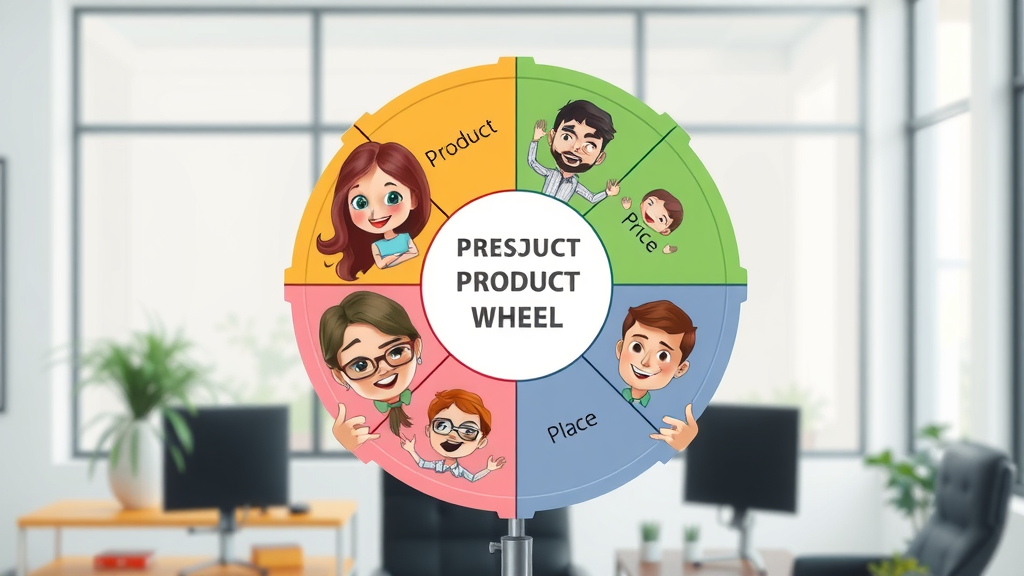
- The 4 Ps of marketing—Product, Price, Place, and Promotion—form the foundation of every small business marketing strategy.
- Product: What are you selling?
- Price: What is your pricing strategy and perceived value?
- Place: Where will customers buy your products or services—online, in-store, or both?
- Promotion: How will you communicate offers using email, mail marketing, social media, or events?
For small business owners, balancing all four elements is crucial for marketing success. Regularly revisit your 4 Ps as market conditions and customer expectations shift to ensure your business marketing strategy remains competitive and relevant.
People Also Ask: What Type of Marketing is Best for Small Business?
- Both digital marketing strategies (like SEO, social media, and email marketing) and traditional methods (such as direct mail campaigns and local events) can be effective. The ideal approach is usually a combination—leveraging the immediacy and reach of digital with the trust and intimacy of local, relationship-based marketing.
For many small businesses, digital marketing provides quick access to a large potential customer base at a manageable cost. In contrast, local and relationship marketing builds deep loyalty over time—especially important for service industries, family-owned businesses, and niche experts. Assess your market, resources, and goals to find the best fit for your marketing plan.
People Also Ask: What are the Three C's in Marketing?
- The three C’s— Company, Customer, Competitor —should guide every small business marketing decision.
- Company: What unique strengths and offerings do you have?
- Customer: Who is your target audience and what problems do you solve for them?
- Competitor: How do your marketing strategies differentiate you from others in your market?
By regularly evaluating your company, customer base, and competitors, you’ll maintain a sharp, effective marketing strategy that addresses new challenges and seizes emerging opportunities.
Frequently Asked Questions: Small Business Marketing Strategies
- How often should a small business review its marketing plan? At least quarterly—more frequently if you’re testing new marketing channels or have seasonal fluctuations. Frequent assessment helps you stay attuned to changes in the target audience, product trends, and business goals.
- Which marketing tactics produce the fastest results for small businesses? Paid digital ads and well-crafted email marketing campaigns often yield immediate traffic boost, while referral and local business promotions deliver fast word-of-mouth results. Sync tactics for best effect.
- What low-cost marketing strategies produce big returns? Social media, email marketing leveraging your existing email list, creative content marketing, and referral programs are all high-ROI options—particularly when personalized for your target audience and community.
Maximizing Your Results: Putting Small Business Marketing Strategies to Work
- Establish your brand presence on the most effective marketing channels for your business marketing goals.
- Tailor every marketing strategy for your unique target audience, leveraging segmentation and personalization.
- Continuously analyze results, adjust your tactics, and repeat to drive growth.
| Week | Social Media | Email Marketing | Content Marketing | Mail Campaigns | Community Events |
|---|---|---|---|---|---|
| 1 | Launch promo video | Send welcome email to new list | Publish blog on trending industry topic | Prepare direct mail postcards | Announce upcoming event |
| 2 | Share customer spotlight | Segmented campaign with product tips | Share video case study | Mail promo codes to prospects | Host free workshop |
| 3 | Run contest/giveaway | Follow-up automation (offers) | Post seasonal advice article | Send thank-you notes to attendees | Gather event feedback |
| 4 | Live Q&A or webinar | Newsletter with educational content | Compile monthly insights roundup | Review mail campaign analytics | Plan next month’s mixer |
"The best investment a small business can make is in long-term, relationship-driven marketing strategies." – Marketing Expert
Animated Explainer: Understanding How Small Business Marketing Strategies Drive Real-World Results
Start Attracting Real Leads With Proven Small Business Marketing Strategies
- Become the go-to local expert: Learn about our authority-building system at LocalMarketingResource.com or call/text 352 266 0499 to start attracting real leads today.
Action Point: Identify two new small business marketing strategies to implement this month—track results, refine your plan, and invest in the growth of your business marketing for lasting success.


Write A Comment